
By Dr. Stacey Patton, re-posted from social media
I’m watching the news footage of Israeli hostages being reunited with their families, and something about it stops me cold.
Now, these are people said to have survived the unimaginable but their faces don’t tell that story.
No hollow cheeks.
No trembling hands or vacant eyes.
They look fed, rested, almost untouched by the devastation we’ve been told they endured. They’re able to focus their attention, stand up and give interviews for the press.
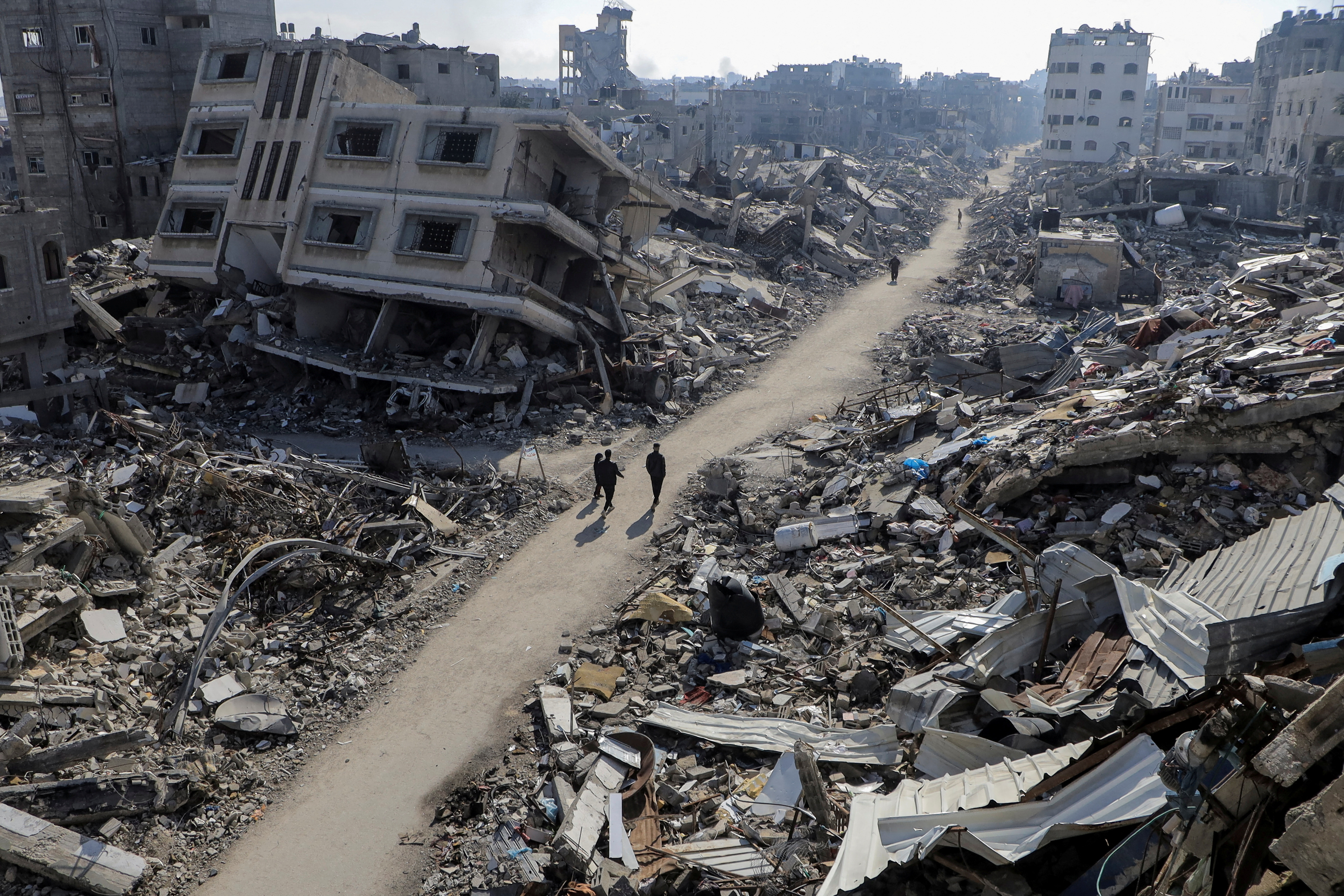
And yet, Gaza, the place where they were supposedly held, is in ruins. A graveyard of concrete and dust. Buildings flattened, hospitals bombed, entire neighborhoods turned into moonscapes.
People there are starving, dehydrated, clinging to life. So we have to ask: where, exactly, were these hostages kept amid all that destruction? In what hidden sanctuary, untouched by the hellfire raining down on every other corner of Gaza, could anyone remain this unscathed?
We have to question these media images because they shape what we believe is true. They’re not neutral. They’re curated to evoke certain emotions like sympathy, fear, justification.
Every camera angle, every close-up of tears and hugs, tells us where to place our empathy and where to withdraw it. But if we only see the smiling reunions, and not the bodies beneath the rubble, we’re being manipulated into a one-sided story of humanity.
So yeah, we gotta look closer. We have to ask harder questions.
How were these people sustained in a place where food, water, and electricity have been cut off for months?
Who shielded them when thousands of Palestinians couldn’t shield their own children?
These are necessary questions. Because when the images don’t align with the conditions, the truth is being staged. And in war, what’s staged becomes strategy.
 Radical Discipleship