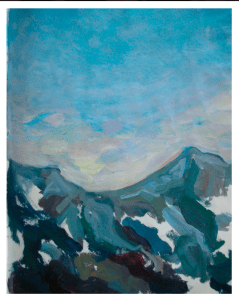
An excerpt from an old classic: The Sun Magazine‘s interview with Martin Prechtel.
To be at home in a place, to live in a place well, we first have to understand where we are; we’ve got to look at our surroundings. Second, we’ve got to know our own histories. Third, we’ve got to feed our ancestors’ ghosts, so that the ghosts aren’t eating us or the people around us. Lastly, we’ve got to begin to grieve. Now, grief doesn’t mean sitting around weeping every day. Rather, grief means using the gifts you’ve been given by the spirits to make beauty. Grief that’s not expressed this way becomes a kind of toxic waste inside a person’s body, and inside the culture as a whole, until it has to be put in containers and shipped someplace, the way they ship radioactive waste to New Mexico. This locked-up grief has to be metabolized. As a culture and as individuals, we must begin feeling our grief — that delicious, fantastic, eloquent medicine. Then we can start giving spiritual gifts to the land we live on, which might someday grant our grandchildren permission to live there.
 By Tommy Airey, a homily for Day House, a four-decade Catholic Worker experiment wedged between casinos and stadiums a stone’s throw from downtown Detroit
 Proper 27(32) B
 By Dr. Oz Cole-Arnal (far left in photo), former professor emeritus at Waterloo Lutheran Seminary
 By
 30 years in and Ched Myers’
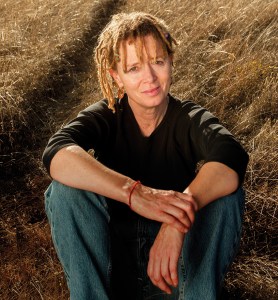 From the mind and heart of Anne Lamott (Facebook 10.20.18):
 By Ken Sehested