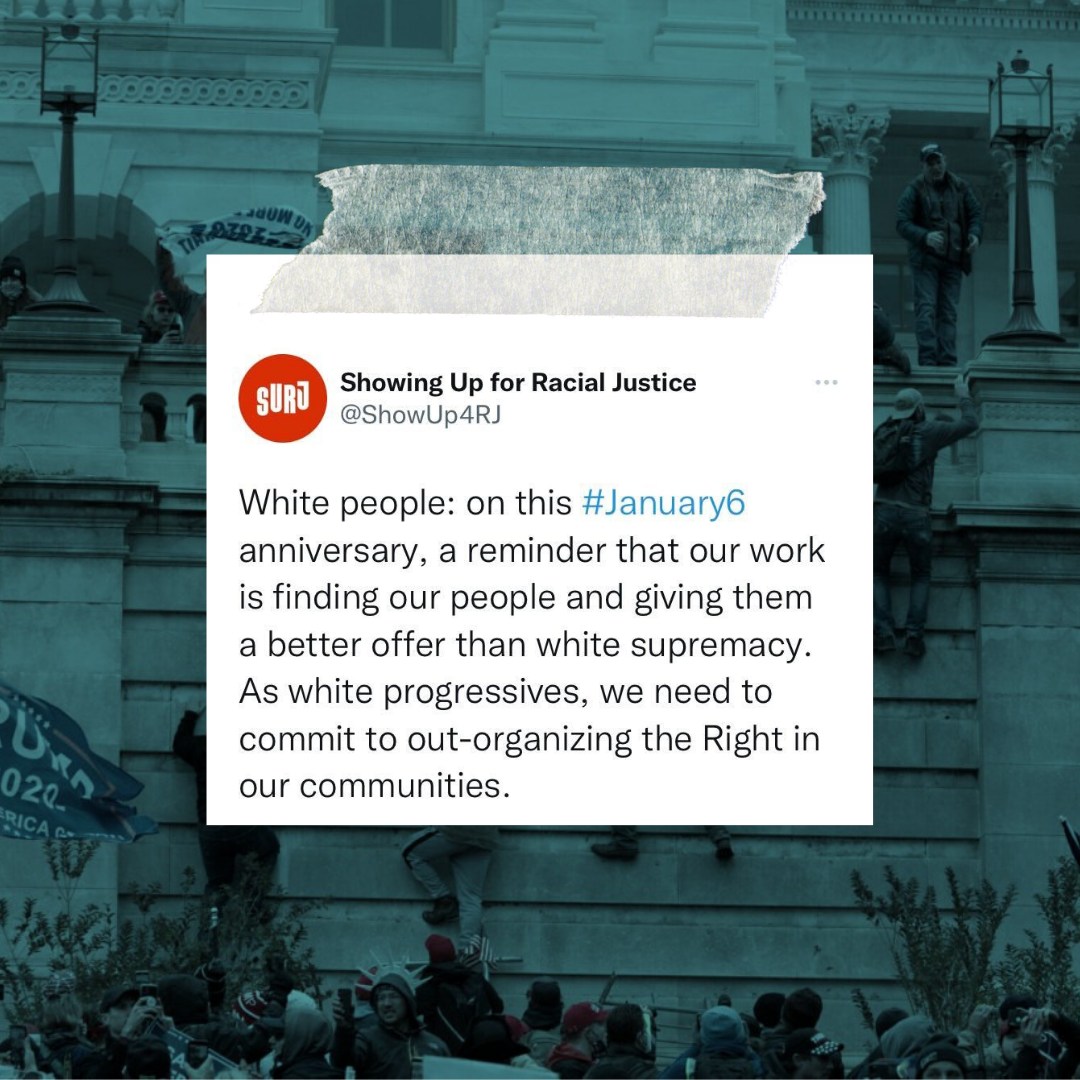
Recently I forwarded the social media link to an article detailing the ways religious piety was intertwined with the violent uprising at our nation’s capitol on 6 January 2021. My ever-thoughtful friend Susan responded with this question: “Scary. How is the best way to counter this descent into the same horrors as German Christians did following Hitler?”
I composed a couple sentences of response. But then a new door opened in my mind; then another, then another. And I ended up writing, over a few days time, the following:
At least at this point, I know of no singular strategy. We are each given opportunities to apply the slight weight of our convictions regarding the Beloved Community in countless small acts.
We’d love to hear your background. How did you get involved in prison abolition work?
Hannah Bowman: I’m an adult convert to Christianity. I was baptized when I was in college and soon after I got involved with a Bible study through the college chaplaincy that took us out to a girl’s juvenile detention centre. It became an essential part of my practice and experience of Christianity.
We would go Thursday evenings, and there would be maybe three of us from the college and three girls from the detention centre who would come together for a little Bible study and church service. I think that’s one of those experiences that you can’t back away from. Once you see these are children who are incarcerated, who are some of the best theologians I’ve ever met. And we were just having these profound experiences of community in this tiny little meeting room in this facility in the middle of nowhere.
A few words from Angela Davis, from a recent Democracy Now interview.
…as a consequence of the developments over the last two years, we think it is even more important to insist that abolitionist strategies also be feminist strategies, that we assume as broad a perspective as possible. I mean, we’re not simply talking about myopically examining what is happening in jails and prisons. And, of course, that’s a huge issue, so I probably should not have even used that word, “myopic.” But we’re thinking about the interconnectedness, the interrelationality between the predicament in jails and prisons and detention facilities, the violence of the police, the intimate violence that happens to so many women and gender-nonconforming people all over the world. That is, as a matter of fact, the most pervasive form of violence in the world. And we want to be able to imagine a different world. We want to be able to imagine a world in which that violence has been reduced and eventually eradicated. And we think that abolition feminism is the perspective that allows us to move in that direction.
By Ched Myers, for the 3rd Sunday of Epiphany, reposted from Jan 24, 2016 (Luke 4:14-21)
The setting of this famous story is significant. The obscure village of Nazareth has already been well established in Luke’s narrative as the home place of Jesus’ childhood, from Gabriel’s annunciation (1:26) to the Holy Family’s comings and goings (2:4; 39; 51), to the phrase in this week’s lection “where Jesus had been brought up…” (4:16a). Continue reading “The Nazareth Sermon as Jubilee Manifesto”→
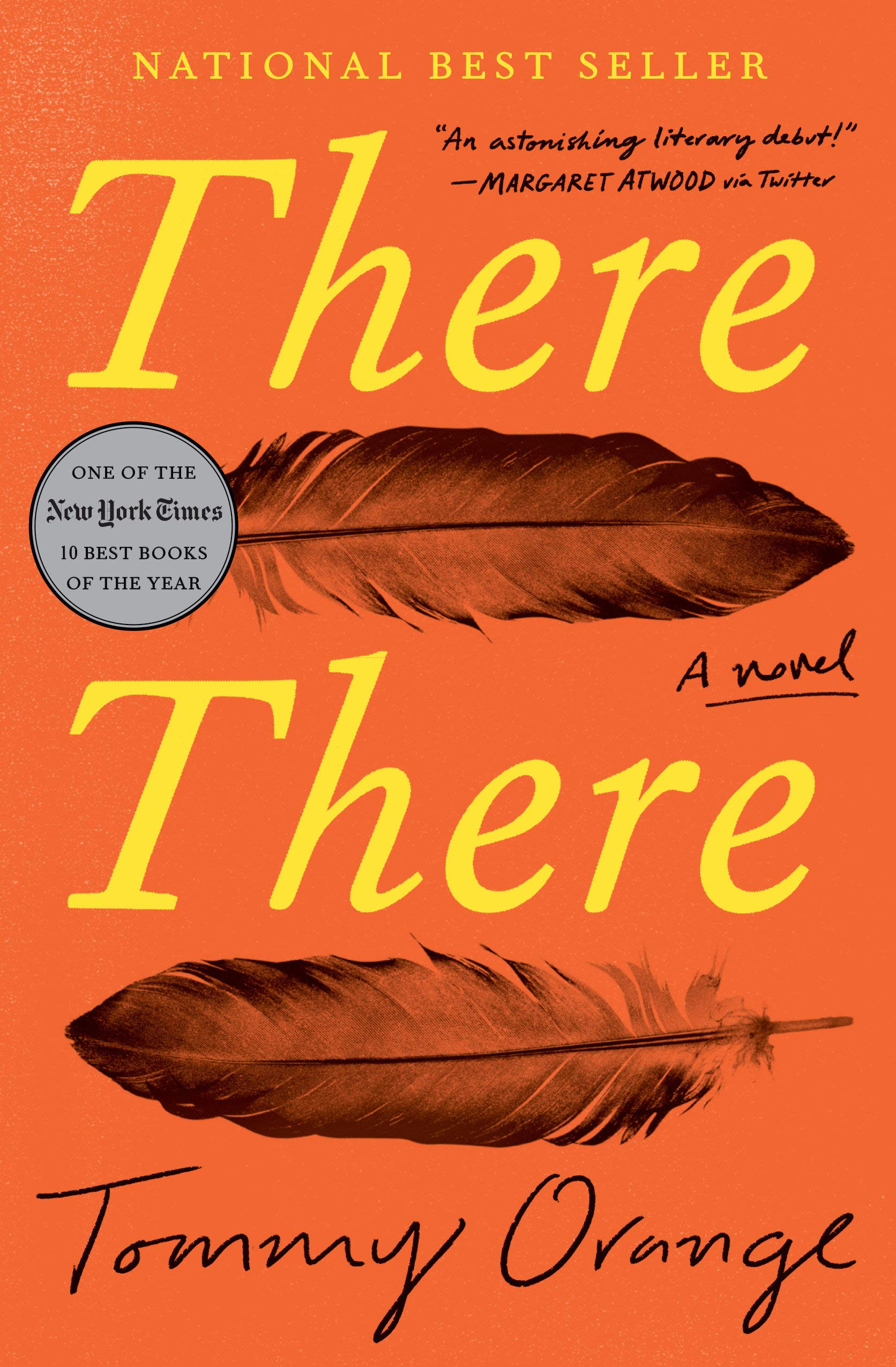
An excerpt from Tommy Orange’s There There. Thank you Rev. Wes Smedley for a timely reminder of a brilliant book.
This is the thing: If you have the option to not think about or even consider history, whether you learned it right or not, or whether it even deserves consideration, that’s how you know you’re on board the ship that serves hors d’oeuvres and fluffs your pillows, while others are out at sea, swimming or drowning, or clinging to little inflatable rafts that they have to take turns keeping inflated, people short of breath, who’ve never even heard of the words hors d’oeuvres or fluff. Then someone from up on the yacht says, “It’s too bad those people down there are lazy, and not as smart and able as we are up here, we who have built these strong, large, stylish boats ourselves, we who float the seven seas like kings.” And then someone else on board says something like, “But your father gave you this yacht, and these are his servants who brought the hors d’oeuvres.” At which point that person gets tossed overboard by a group of hired thugs who’d been hired by the father who owned the yacht, hired for the express purpose of removing any and all agitators on the yacht to keep them from making unnecessary waves, or even referencing the father or the yacht itself. Meanwhile, the man thrown overboard begs for his life, and the people on the small inflatable rafts can’t get to him soon enough, or they don’t even try, and the yacht’s speed and weight cause an undertow. Then in whispers, while the agitator gets sucked under the yacht, private agreements are made, precautions are measured out, and everyone quietly agrees to keep on quietly agreeing to the implied rule of law and to not think about what just happened. Soon, the father, who put these things in place, is only spoken of in the form of lore, stories told to children at night, under the stars, at which point there are suddenly several fathers, noble, wise forefathers. And the boat sails on unfettered.
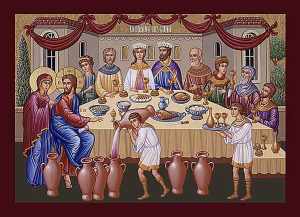
By Wes Howard-Brook and Sue Ferguson Johnson, commentary on John 2:1-11, re-posted from January 2016
“On the third day there was a wedding in Cana of Galilee…”
The rich beauty of this week’s gospel sets the stage for the journey into God and discipleship which follows. In his first public act in John’s gospel, Jesus transforms a wedding which has run out of wine into an overflowing, abundant celebration of the best wine. Every detail of this packed scene is worth pondering deeply. Continue reading “Abundant Joy”→
By Michael Boucher, re-posted with permission from his Facebook page
About half of the people who consult me in my clinical work are under the age of 35 and their experiences resonate with what I hear from my own connections and relationships with a similar cohort.
Many report acute symptoms of anxiety and depression. Many feel a real sense of concern about the future. A lot express challenges in relationships, in part, because of the mental health issues that they and/or their partners face. Many say that they feel like they experience a crisis of meaning because so many institutions around them do not serve us well. Quite a few experience job dissatisfaction, in part, because they’re asking serious questions about what it all means…And this is all in a context of COVID – with all of those implications related to social isolation, fear of getting sick, attending to loved ones who are sick, etc.
While we should never, ever do what white people collectively want, history has shown us that if something is good for Black people, white people will hate it. And if they vilify something as racist, communist or anti-white, you should take a second look because, nine times out of 10, it might be worth considering. When it comes to freedom and equality, the easiest thing to do is to see what white people have to say…then do the opposite. Or, if that’s too confusing, simply ask yourself: Will it make white people cry?
By Tommy Airey, a seven-minute sermon on Genesis 1:26-27
Then God said, ‘Let us make humankind in our image, according to our likeness; and let them have dominion over the fish of the sea, and over the birds of the air, and over the cattle, and over all the wild animals of the earth, and over every creeping thing that creeps upon the earth.’ So God created humankind in his image, in the image of God he created them; male and female he created them.—Genesis 1:26-27
My spirituality is saturated in the biblical claim that I bear the image of God, that we all bear the royal image of God. Hebrew scribes wrote and edited the book of Genesis after they were captured and exiled to Babylon, an empire that placed “images”—or statues—of their king in public places to remind people who is supreme. Citizens were supposed to bow whenever they passed by. The Hebrew scribes subverted this human hierarchy of value by crafting their own creation story. The scribes stamped every human Being with the royal image of a God of love and compassion who designed a world without a human hierarchy of value. We are all royalty, born to bow in reverence to each other.





 By Wes Howard-Brook and Sue Ferguson Johnson, commentary on John 2:1-11, re-posted from January 2016


 Radical Discipleship