
By Tommy Airey
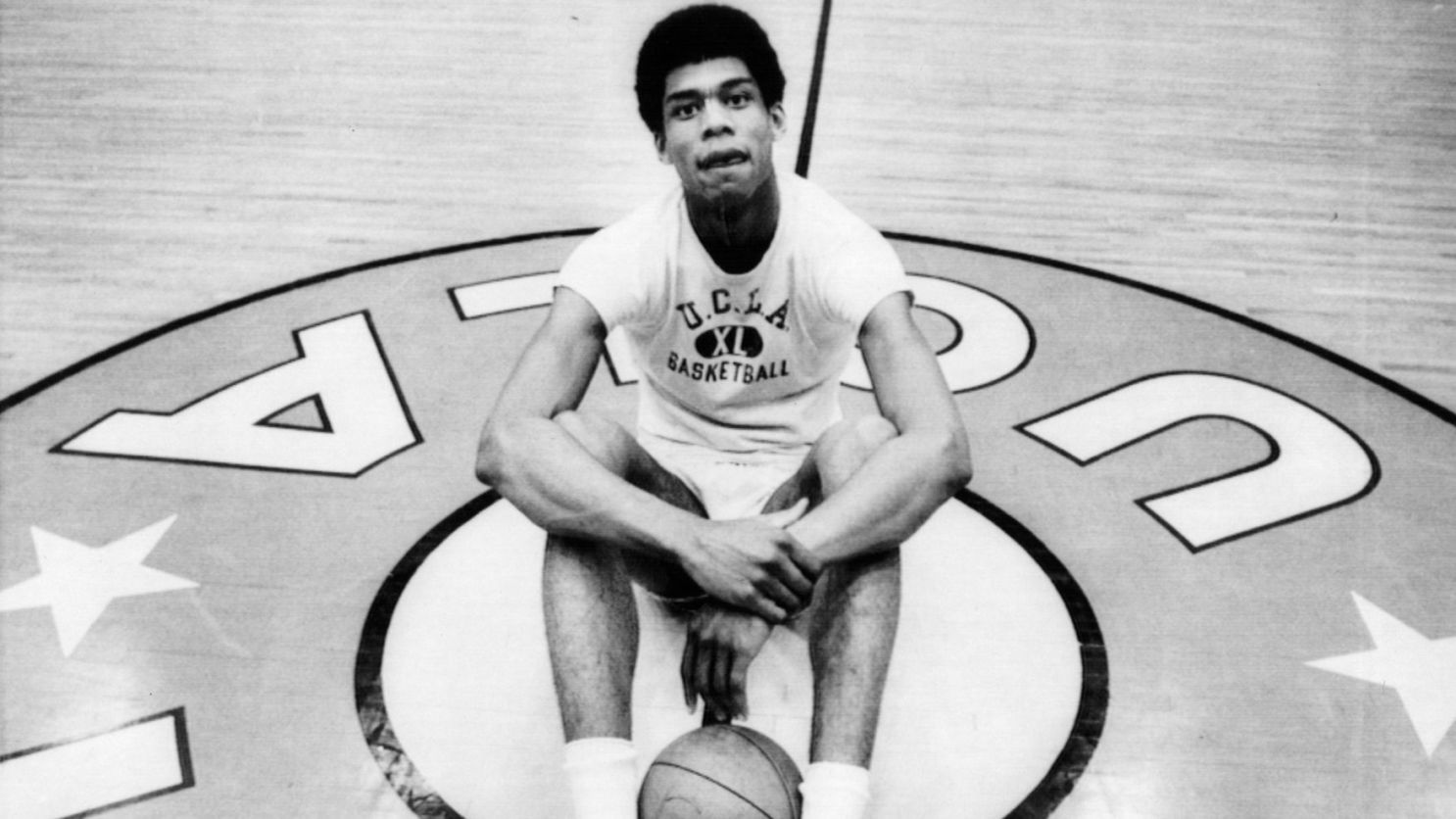
March Madness is back. The men’s and women’s NCAA basketball tournaments caught the coronavirus last season right when my Kansas Jayhawks were ranked number one. That was before police murdered George Floyd and Breonna Taylor, before the NBA bubble almost burst after police shot Jacob Blake seven times in the back. This year, I couldn’t bring myself to fill out a bracket, but I have watched a lot of basketball. This year, more than ever, I have embraced the tension between sports and social analysis—a glorious tension released by a sabbath-jubilee Spirit soaked in a trifecta of Hebrew words: hesed (steadfast love), mispat (justice) and sedekah (faithfulness to the most vulnerable). My wife-partner Lindsay, a licensed marriage and family therapist, says that my devotion to the game is not about escaping the real world, but integrating it.
This year, my mind is penetrating past Magic Johnson and pivoting towards Lyndon Baines Johnson, the last Democratic Presidential candidate to get a majority of the white vote. In 1967, in the wake of anti-racist uprisings in Detroit, Chicago, Los Angeles and Newark, LBJ commissioned a congressional investigation. He wanted to know what happened, why it happened and what could be done to prevent it from happening again. The so-called Kerner Commission released its findings seven months later, on the last day of February 1968. The scary thing is that the results of the investigation are still ruthlessly relevant today: Our nation is moving toward two societies, one black, one white—separate and unequal.
Continue reading “March Madness and the Other America”



 Excerpt and reflection from Bill Wylie-Kellermann’s
 Radical Discipleship