by jim perkinson, ps 71: 1-6, lk 4:21-30, performed at st. peter’s episcopal church (detroit, mi), 1-30-22
“they lead him to the brow of the hill that they might throw him off” says the lectionary text for the 4th week-take on epiphanies and magi and comet-streaked skies of the season but they failed to catch the snatch— the orator at nazareth was a rock-kvetched match for their outraged snit, hatched like a birthed-again chic from rugged outcrop, spirit-born and dove-mourned just back from a 40-day stretch
By Dwight L. Wilson, originally posted to Facebook on January 27, 2022
When my ancestors were kidnapped from Africa, the overlords employed white supremacy philosophy to both claim they themselves believed in freedom of religion and strip the victims of their ties to ancestral religion. In the enslavers’ minds, surely the Holy One was named Jehovah, not Nyame. Any black saying otherwise was dismissed as uncivilized if not inhuman. Refusing to stop inflicting trauma, we were forced to change African personal names, and forbidden African languages so that the powerful could feel more comfortable. In partial response, I gave my sons African names 1) Kai Ashante (thank you for the surprise), 2) Rai Imani (strong faith), 3) Tai Amri (an eagle is leading) and 4) Mai Hakili (a leader who is both spiritually and intellectually strong).
From an LA Times interview with author and professor Imani Perry on her new book South to America.
Wow. [laughs] I mean, there are many wonderful things about L.A., but having had family that moved from Alabama to L.A., that would be a huge mischaracterization. Everyone has gone back South. The promise of L.A. proved not to actually be as promising. I’ll say, having left Alabama young and spent most of my time coming of age in Massachusetts, one of the things that’s interesting for me is I experienced many more acts of racial aggression in Boston than in Alabama. Slurs, physical aggression of a sort I’d never experienced.
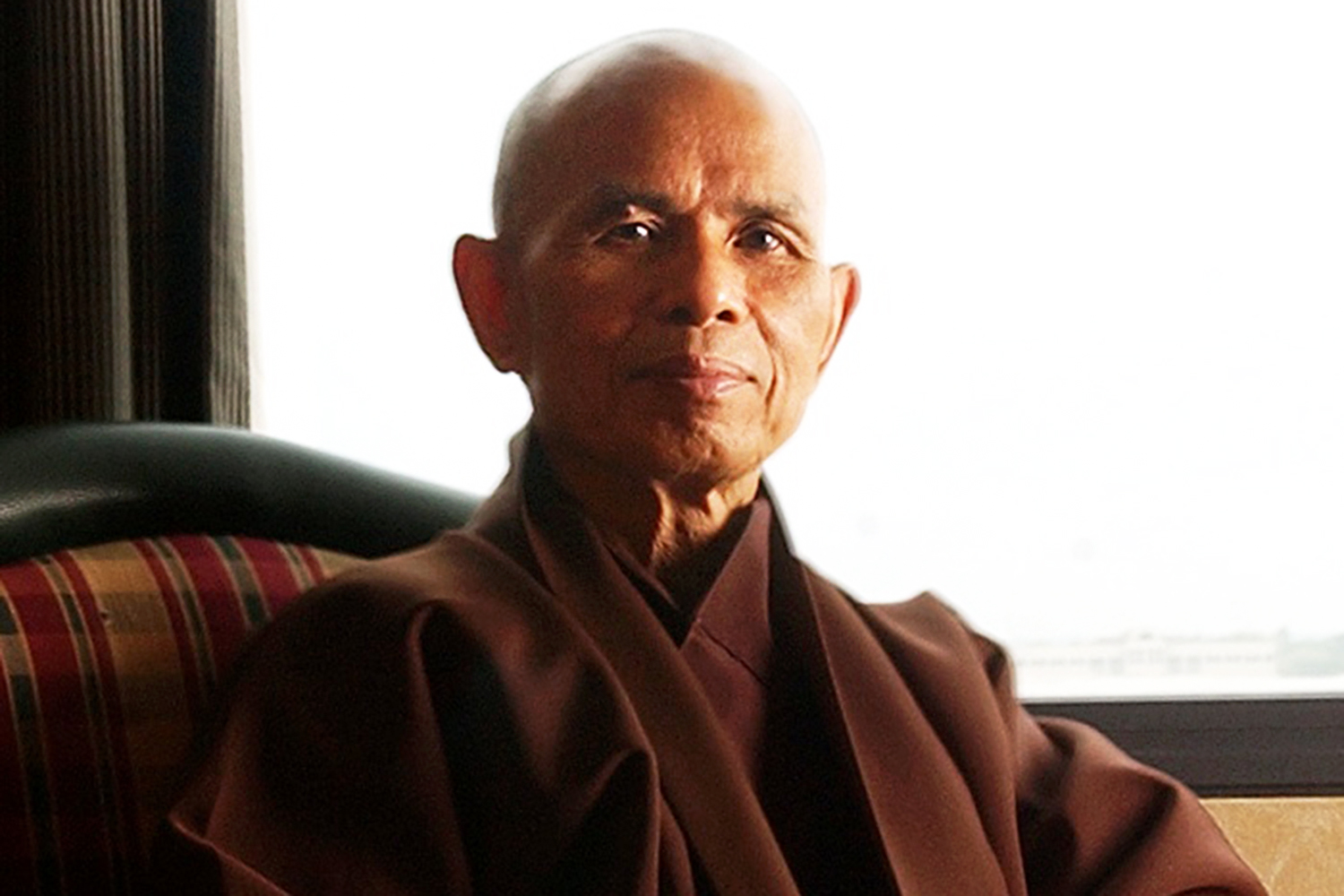
In the past six weeks, our community has lost bell hooks (December 15) and Jim Forest (Jan 13). Then earlier this week, on January 22, the great teacher of engaged Buddhism, Thich Nhat Hanh, passed. All three were linked. bell hooks wrote a foreword to The Raft Is Not the Shore, which are the transcribed dialogues between Thich Nhat Hanh and Daniel Berrigan. The final book that Jim Forest published was entitledEyes of Compassion: Living with Thich Nhat Hanh.
Thich Nhat Hanh also had a connection with Dr. Martin Luther King and Thomas Merton. This places him as a surprisingly central figure in the history of our community. Because I already was finding these intersections fascinating, I was and was not surprised to discover an encounter between Thich Nhat Hanh and the writings of Dietrich Bonhoeffer.
Now Abel was a keeper of sheep, and Cain a tiller of the ground.—Genesis 4:2b
Cain said to his brother Abel, ‘Let us go out to the field. And when they were in the field, Cain rose up against his brother Abel and killed him. Then the Lord said to Cain, ‘Where is your brother Abel?’ He said, ‘I do not know; am I my brother’s keeper?’ And the Lord said, ‘What have you done? Listen; your brother’s blood is crying out to me from the ground!—Genesis 4:8-10
As he went ashore, he saw a great crowd; and he had compassion for them, because they were like sheep without a shepherd; and he began to teach them many things.—Mark 6:34
“I’m more than ever of the opinion that a decent human existence is possible today only on the fringes of society, where one then runs the risk of starving or being stoned to death. In these circumstances, a sense of humor is a great help.”—Hannah Arendt
——————————————
In the ancient world, shepherds tended their flocks on the edge of civilization, on the borderlands, straddling two cultures with the side-eyed and sidelined. Shepherds resisted mass migration to cities, built with resources extracted from somewhere else. What we called “civilization” was sculpted by strong men exploiting the masses. Shepherds were not part of this program. They stayed nomadic, foraging for food, going wherever the grass was growing. Shepherds were dirty people. Outcasts. Their testimony was not trusted in court.
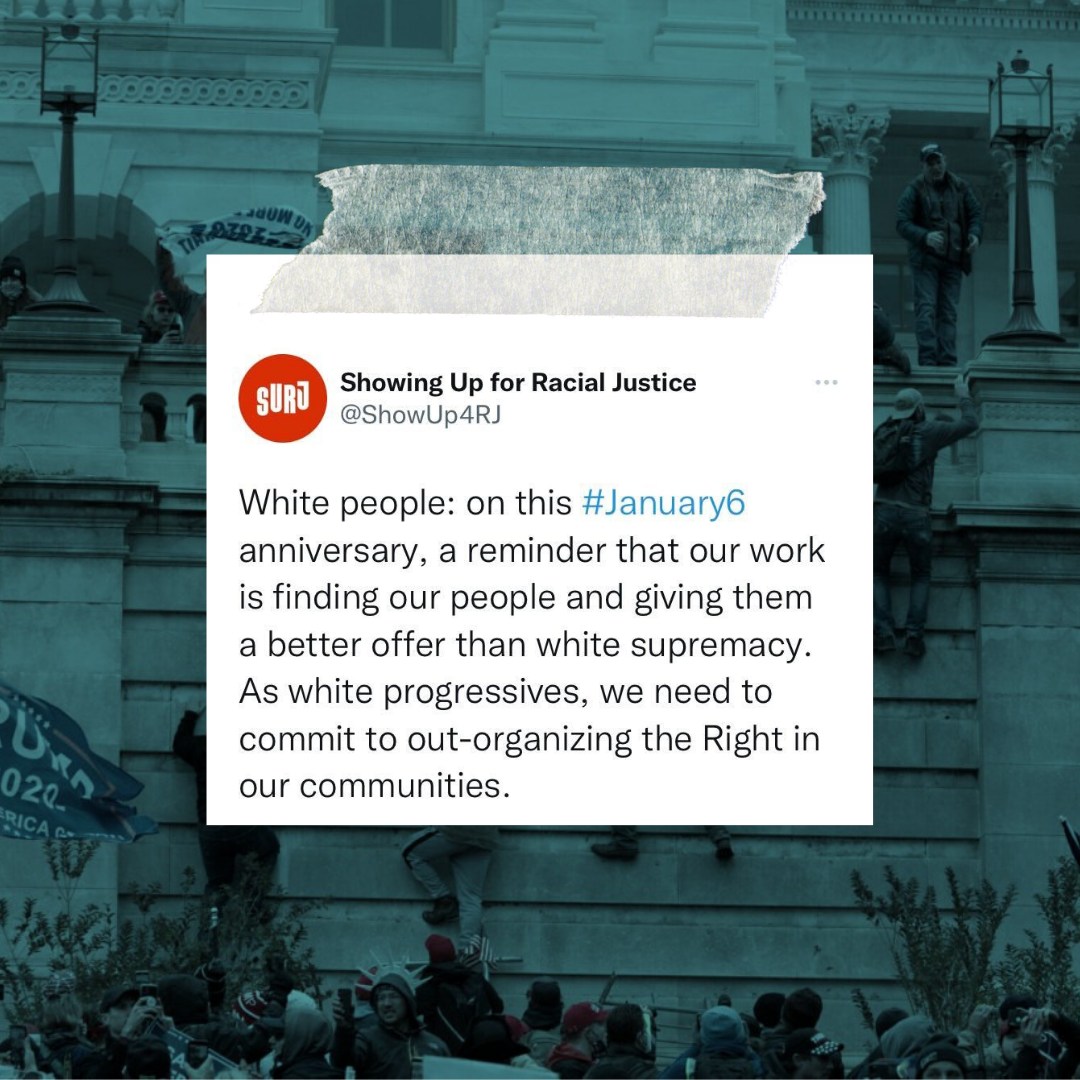
Recently I forwarded the social media link to an article detailing the ways religious piety was intertwined with the violent uprising at our nation’s capitol on 6 January 2021. My ever-thoughtful friend Susan responded with this question: “Scary. How is the best way to counter this descent into the same horrors as German Christians did following Hitler?”
I composed a couple sentences of response. But then a new door opened in my mind; then another, then another. And I ended up writing, over a few days time, the following:
At least at this point, I know of no singular strategy. We are each given opportunities to apply the slight weight of our convictions regarding the Beloved Community in countless small acts.
An excerpt from Tommy Orange’s There There. Thank you Rev. Wes Smedley for a timely reminder of a brilliant book.
This is the thing: If you have the option to not think about or even consider history, whether you learned it right or not, or whether it even deserves consideration, that’s how you know you’re on board the ship that serves hors d’oeuvres and fluffs your pillows, while others are out at sea, swimming or drowning, or clinging to little inflatable rafts that they have to take turns keeping inflated, people short of breath, who’ve never even heard of the words hors d’oeuvres or fluff. Then someone from up on the yacht says, “It’s too bad those people down there are lazy, and not as smart and able as we are up here, we who have built these strong, large, stylish boats ourselves, we who float the seven seas like kings.” And then someone else on board says something like, “But your father gave you this yacht, and these are his servants who brought the hors d’oeuvres.” At which point that person gets tossed overboard by a group of hired thugs who’d been hired by the father who owned the yacht, hired for the express purpose of removing any and all agitators on the yacht to keep them from making unnecessary waves, or even referencing the father or the yacht itself. Meanwhile, the man thrown overboard begs for his life, and the people on the small inflatable rafts can’t get to him soon enough, or they don’t even try, and the yacht’s speed and weight cause an undertow. Then in whispers, while the agitator gets sucked under the yacht, private agreements are made, precautions are measured out, and everyone quietly agrees to keep on quietly agreeing to the implied rule of law and to not think about what just happened. Soon, the father, who put these things in place, is only spoken of in the form of lore, stories told to children at night, under the stars, at which point there are suddenly several fathers, noble, wise forefathers. And the boat sails on unfettered.
By Michael Boucher, re-posted with permission from his Facebook page
About half of the people who consult me in my clinical work are under the age of 35 and their experiences resonate with what I hear from my own connections and relationships with a similar cohort.
Many report acute symptoms of anxiety and depression. Many feel a real sense of concern about the future. A lot express challenges in relationships, in part, because of the mental health issues that they and/or their partners face. Many say that they feel like they experience a crisis of meaning because so many institutions around them do not serve us well. Quite a few experience job dissatisfaction, in part, because they’re asking serious questions about what it all means…And this is all in a context of COVID – with all of those implications related to social isolation, fear of getting sick, attending to loved ones who are sick, etc.
By Tommy Airey, a seven-minute sermon on Genesis 1:26-27
Then God said, ‘Let us make humankind in our image, according to our likeness; and let them have dominion over the fish of the sea, and over the birds of the air, and over the cattle, and over all the wild animals of the earth, and over every creeping thing that creeps upon the earth.’ So God created humankind in his image, in the image of God he created them; male and female he created them.—Genesis 1:26-27
My spirituality is saturated in the biblical claim that I bear the image of God, that we all bear the royal image of God. Hebrew scribes wrote and edited the book of Genesis after they were captured and exiled to Babylon, an empire that placed “images”—or statues—of their king in public places to remind people who is supreme. Citizens were supposed to bow whenever they passed by. The Hebrew scribes subverted this human hierarchy of value by crafting their own creation story. The scribes stamped every human Being with the royal image of a God of love and compassion who designed a world without a human hierarchy of value. We are all royalty, born to bow in reverence to each other.






 Radical Discipleship