New World Border

Artist Nancy Hom was born in China and immigrated to the U.S. when she was five.

New World Border

The wall, now being constructed across the length of the US/Mexico border is like a knife cutting off neighbors, wildlife, indigenous people, and families. The wall is inflaming hatred and contributing to an atmosphere of vigilantism and oppression. While the US walls itself off from the world in the name of “security” what is it sacrificing? What is the price of this imprisonment? What is at the root of this fear based policy of building walls? (courtesy of CreativeResistance.Org)

The Context of Oppression

Cone
From James Cone in A Black Theology of Liberation (1970):

Persons who live in the real world have to encounter the concreteness of suffering without suburbs as places of retreat. To be oppressed is to encounter the overwhelming presence of human evil without any place to escape…

…Who can ‘pray’ when all hell has broken loose and human existence is being trampled underfoot by evil forces? Prayer takes on new meaning. It has nothing to do with those Bible verses that rulers utter before eating their steaks, in order to remind themselves that they are religious and have not mistreated anybody. Who can thank God for food when we know that our brothers and sisters are starving as we dine like kings? Prayer is not kneeling, morning, noon and evening. This is a tradition that is characteristic of whites; they use it to reinforce the rightness of their destruction of blacks. Prayer is the spirit that is evident in all oppressed communities when they know that they have a job to do.

Finding Kinship in the Ventura River Watershed

sarah and nathan
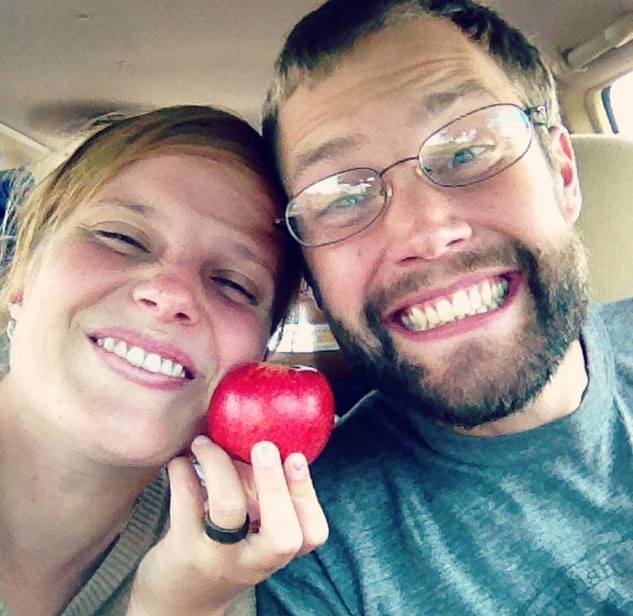
Sarah Holst (right, with hubby Nathan) just finished a split internship with Bartimaeus Cooperative Ministries and the Abundant Table Farm Project. The newlyweds will be heading to Rochester, NY in January to intern with the Spiritus Christi community. Here, Sarah reflects about her process in creating the Equinox Liturgy for Farm Church in early October.
————————-
A week ago, I was washing the dishes after a shared breakfast at Ched and Elaine’s and rolling around how the Equinox Liturgy I was writing was going to take shape. In the process of this, I was also thinking about the chapter that Nathan and I had just read in Ched’s book Who Will Roll Away the Stone on Reclamation (Chapter 11). This chapter lays out the skin and bones of what has now fleshed out into Watershed Discipleship, and asks the question: How do we come to love our land (through the lenses of Christian theology) in a way that moves us to work for environmental and social justice? Continue reading “Finding Kinship in the Ventura River Watershed” →

Book Recommendation! Set Them Free: The Other Side of Exodus

From Lydia Wylie-Kellermann

set them free 2Friends, when folks ask me for a book recommendation. This is it- no matter who you are. Whether you have never read the bible or are a total geek for it, whether you have been in the movement for decades or are just starting to ask the hard questions, this is a book that calls on your mind, your heart, and moves it into your hands and feet. For those growing up in the church identifying with the story of liberation, it turns everything on its head. It’s brilliant, accessible, loving, and filled with ancient and current stories of communities resisting empire. It calls us out on our shit and invites us into another way. I love this book. It is never far from reach. And I love the author- Laurel Dykstra loves the bible and you can tell. Her history goes deep in community and justice work. Her writing is born from movement and gift to movement. She is an incredible human being. So…..read this book. Read it in community. Read it on the bus. Read it in jail. Read it in the heart of empire and on the margins. And let us struggle together on our way out of empire. Continue reading “Book Recommendation! Set Them Free: The Other Side of Exodus” →

The Wilderness Way: 7 Sustainable Practices

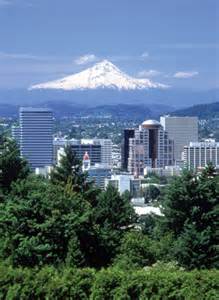
portlandThe Wilderness Way Community (Portland, OR) is a practice-oriented community pledged to be “guided by the wisdom of Nature, the undomesticated Jesus and his movement, and the wilderness tradition in which Jesus was grounded.” They share a common life by committing to live by a common set of daily practices. These practices flow from their mission statement and shape their life according to values other than those of the marketplace or the battlefield.

Over the years their practices have changed as the community has changed. For several years they used these Seven Sustainability Practices to shape their lives. For many of them, those once-new practices have now become simply part of how they live their lives.
Continue reading “The Wilderness Way: 7 Sustainable Practices” →

Day of the Dead and Death Well Lived

By Mary Bradford,excerpt from Bury the Dead:
Stories of bury the deadDeath and Dying, Resistance and Discipleship

The dead come back whether we invite them or not.
They are our friends, our brothers and sisters, our parents and ancestors, our children, our lovers.
They bring memories, insight, blessing and good fortune.
They travel a long, long way.
Who would greet them with a dark house and an empty table?
Show them you remember them. Put out the things they loved,
even the things they loved to death.
Don’t be so judgmental. You can’t reform them now.
Fill the bellies they no longer have.
Refresh the skin that cracked into a fine husk
and drifted away in the desert.

Give the old man his glasses. Maybe he will find his eyes.
Put away your sadness. It sours the music.
Hear the music and dance with the quick, the light, the dry-boned.
One autumn the feast will be for us. Continue reading “Day of the Dead and Death Well Lived” →

Photography As Resistance: Securing The Vote

Just in time for Voting Day: remembering the long-suffering to ensure suffrage for people of color…and the vigilant & virtuous sacrifice that it’s going to take to keep working for a more just and equitable electoral process. A witness to history, Bob Adelman’s voluntary work as a photographer for the Congress of Racial Equality, the NAACP Legal Defence Fund, and other civil rights organizations allowed him to capture the stories of the Civil Rights Movement in a way that projects both the vulnerability and passion of its activists. Adelman’s unique vantage point is in part due to his close relationships with civil rights leaders such as Martin Luther King, Jr., Malcolm X and John Baldwin. Right & Below: Selma 1965.