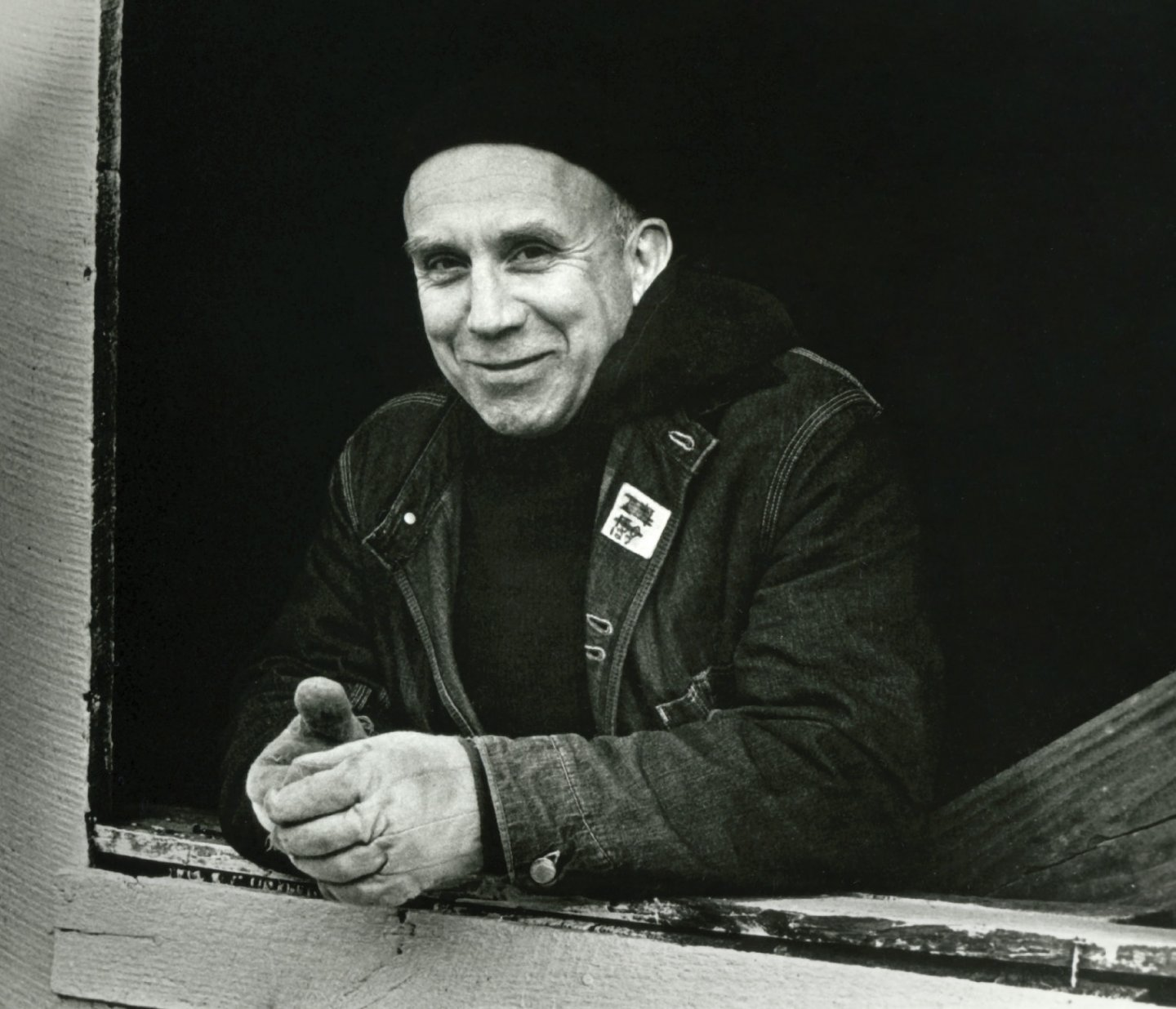
The Truth of the Work Itself

An excerpt from Thomas Merton’s Letter to a Young Activist. Thanks to Bill Boyle, a radical discipleship comrade in metro Detroit, for passing this along.

You are fed up with words, and I don’t blame you. I am nauseated by them sometimes. I am also, to tell the truth, nauseated with ideals and with causes. This sounds heresy, but I think you will understand what I mean. It is so easy to be engrossed with ideas and slogans and myths that in the end one is left holding the bag, empty, with no trace of meaning left in it. And then the temptation is to yell louder than ever in order to make the meaning be there again by magic. Going through this kind of reaction helps you to guard against this. Your system is complaining of too much verbalizing, and it is right.

You may have to face the fact that your work will be apparently worthless and even achieve no result at all, if not perhaps results opposite to what you expect. As you get used to this idea you start more and more to concentrate not on the results but the value, the rightness, the truth of the work itself. And there too a great deal has  to be gone through, as gradually you struggle less and less for an idea and more and more for specific people. the range tends to narrow down, but it gets much more real. In the end, as you yourself mention in passing, It is the reality of personal relationships that saves everything.

.”

We Flesh

From Toni Morrison’s Beloved. This is the sermon that Baby Suggs gives one Saturday, sitting in the Clearing while the people waited among the trees. The Clearing was “a wide-open place cut deep in the woods nobody knew for what at the end of a path known only to deer and whoever cleared the land in the first place.”

——————————————————–

Here in this here place, we flesh; flesh that weeps, laughs,

flesh that dances on bare feet in grass. Love it. Love it hard.

Yonder they do not love your flesh. They despise it.

They don’t love your eyes; they’d just as soon pick em out.

No more do they love the skin on your back. Yonder they flay it.

And O my people they do not love your hands.

Continue reading “We Flesh”

A Wake

By Robert Jones, Jr., re-posted from his MLK Day substack newsletter. Subscribe here.

“The majority of white Americans consider themselves sincerely committed to justice for the Negro. They believe that American society is essentially hospitable to fair play and to steady growth toward a middle-class Utopia embodying racial harmony. But unfortunately this is a fantasy of self-deception and comfortable vanity.”

— Martin Luther King, Jr., Where Do We Go from Here: Chaos or Community? (1967)

Hello Family,

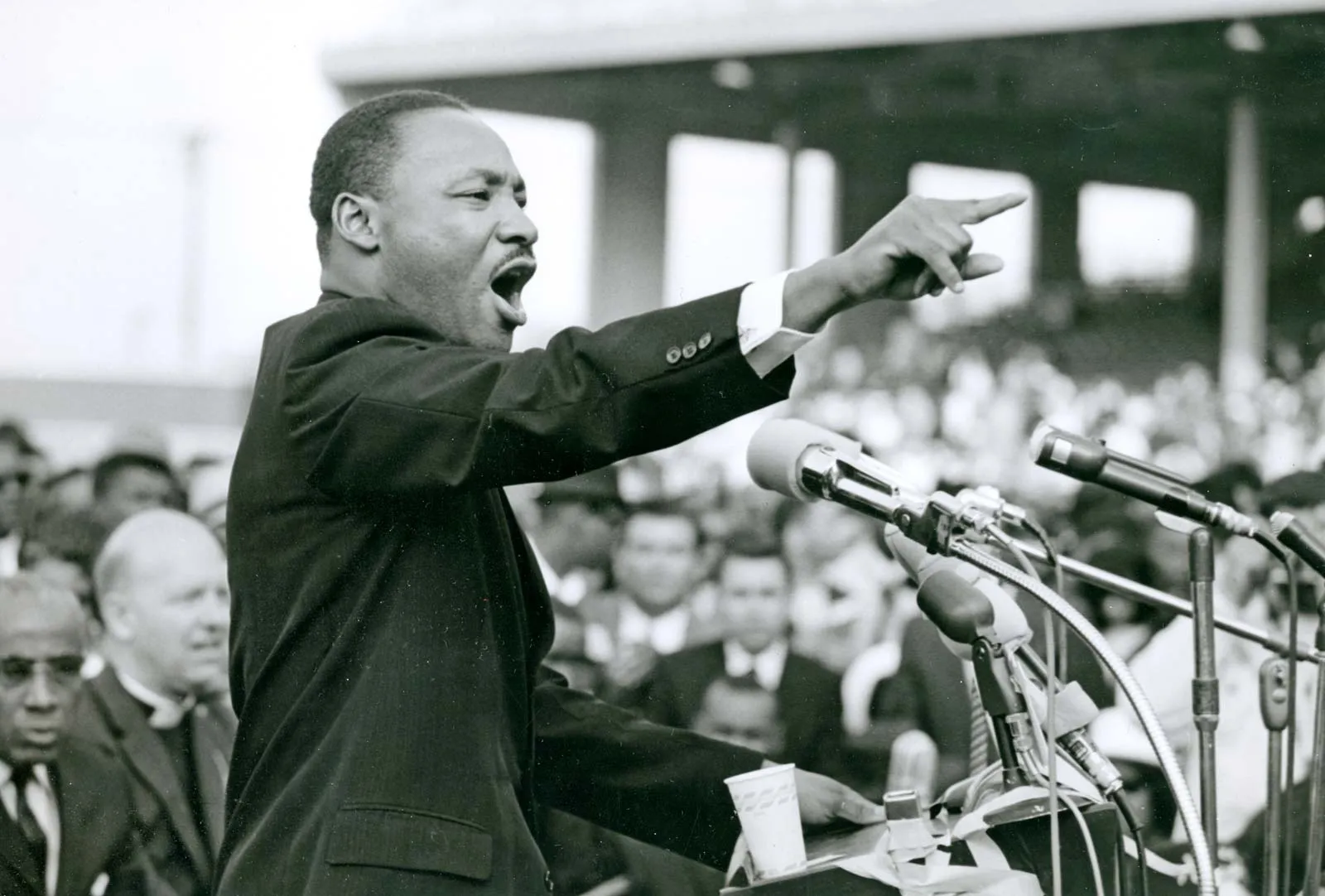
Today is Martin Luther King, Jr. Day. It is a day on which a particular kind of performance is expected of every Black American.

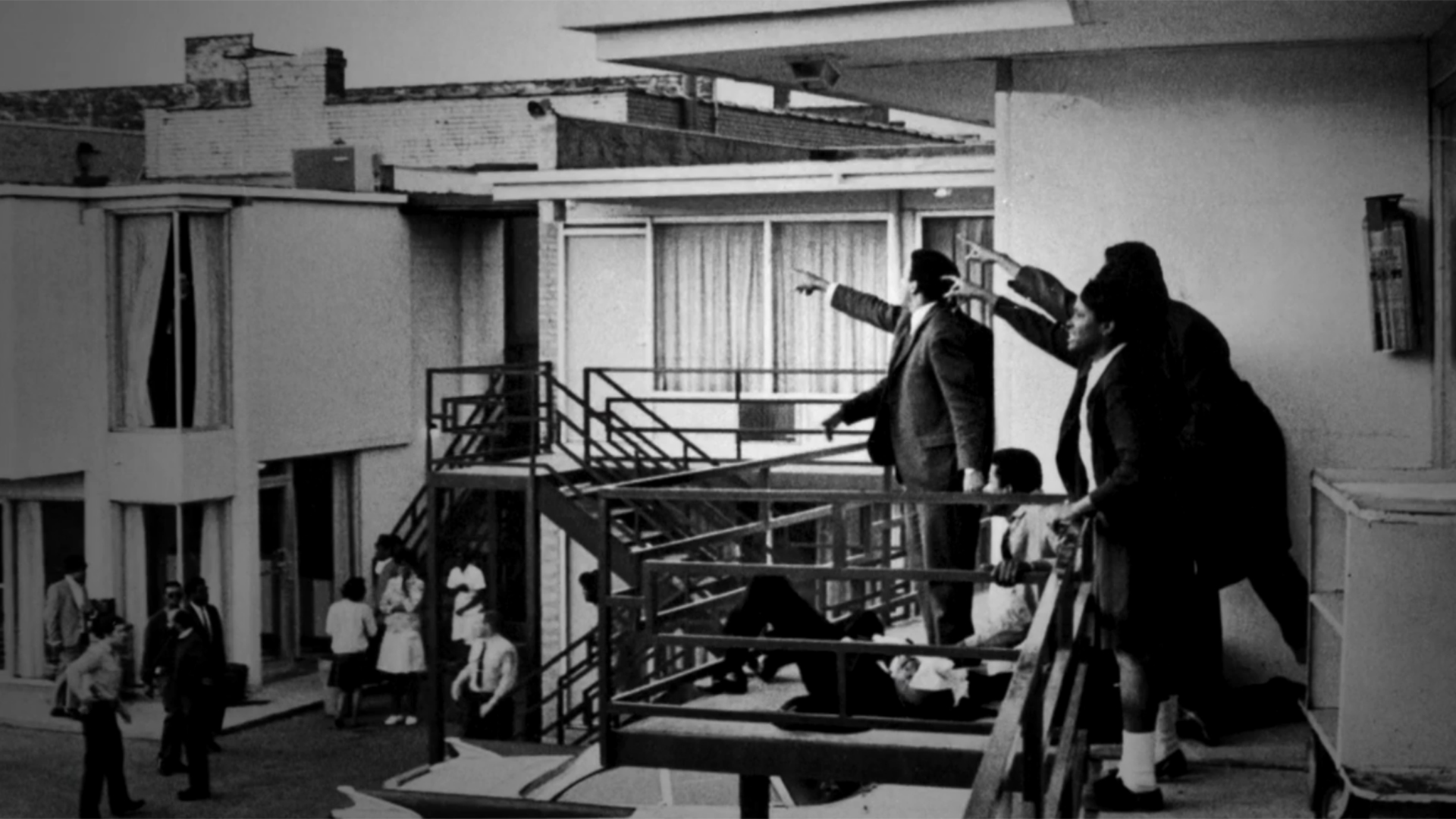
It is believed that we should join hands; sing sweet gospel songs; be respectable, conciliatory, and most importantly, civil representatives of the man assassinated by the very nation that turned him into a hollow holiday platitude. A man whose face they put on postage stamps and t-shirts to sell back to us at a premium.

For us, today is supposed to be a day of forgiving, certainly; but most of all: of forgetting.

Continue reading “A Wake”

My Forever King

By Johari Jabir

America had but one pastor
Rev. Dr. Martin Luther King Jr. was his name

My King,

The days leading up to the national observance of your birthday
seem to result in a passing season of melancholia
we have crossed so many lines
you warned us not to cross
we now live in the reality of that other side
of hate-filled violence and indifference
that feeds the victims to themselves

Continue reading “My Forever King”

Freeing God to be God

By Rev. Graylan Scott Hagler, Pastor Emeritus, Plymouth Congregational United Church of Christ

The Spirit of God brings peace, consolation, and perspective in times of personal and collective trauma and tragedies. Having served as a public and parish Christian pastor for over four decades, I have counseled, listened to, cried with people, and have come to know the power of God for uplift, hope, and comfort. I have also known and experienced how God can be used for hurt, ridicule, diminishment, oppression, and exclusion. I have witnessed the goodness of God, and the hurt inflicted on people by human pronouncements of God. I have seen God used for both good and bad, and for liberation and oppression. It is all in the interpretation of God and claims of “truth.”

People seek “truth” in life, after-life, and for living right, and deeply desire to live on the right-side of the “truth”. People come to faith experiences seeking encouragement, strength, and “truth” for living. This is the reason the “Golden Rule” manifests itself in so many forms, ‘Do to others as you would have them to do to you’, and is core to so many faith traditions. However, unfortunately, there are political and economic structures, such as monarchs, empires, forms of governments, and individuals that have deliberately manipulated the concept of God towards material and political ends. They have seized on the desire for “truth” among the masses, by reshaping and remolding the concept of God into materialistic and nationalistic loyalties. Divinity is often exploited and manipulated to maintain systems of power, protect the status-quo by offering equations of absolutism forcing almost slavish obedience upon masses of people who only seek to live in “truth”, and on the correct side of God. Political leaders and governments create a central narrative of God that becomes a form of political orthodoxy, just like faith traditions create orthodoxies. Those who question this authority and its absolutism are criticized, ostracized, ridiculed, villainized, and often killed for endangering the existent order of things. Rev. Dr. Martin Luther King, Jr., for example, was lionized for civil rights, but villianized for his critique of the war in Vietnam. He had violated the political orthodoxy.  

Continue reading “Freeing God to be God”

Indigenous Resurgence

An excerpt from Noura Erakat’s recent piece (“Designing the Future in Palestine”) in Boston Review. Read the full article. It’s so worth it.

…[Palestinians] are moving in tandem with other Indigenous communities increasingly engaged in Indigenous resurgence. This is a phenomenon, explains Cherokee political scientist Jeff Corntasssel, that reframes decolonization by turning away from the state to “focus more fully on the complex interrelationships between Indigenous nationhood, place-based relationships, and community centered practices that reinvigorate everyday acts of renewal and regeneration.” This shift does not reject state-centric diplomacy or abandon the struggle against the settler sovereign. A full pivot away from such engagement would be short-sighted and counterproductive, especially for Palestinians who remain forcibly exiled from their lands and barricaded within militarized ghettoes. Rather, Indigenous resurgence centers Indigenous life and governance alongside other approaches. It seeks to undo the alienating force of colonization by reconnecting “homelands, cultures, and communities.” In particular regard to Palestinians, scholars Nour Joudah, Tareq Radi, Dina Omar, and Randa Wahbe explain, resurgence facilitates a “self-recognition” that transforms “fragmentation into a strength” and “variegated experiences of loss” into “a politics of care.”

If decolonization typically pits native against settler in a struggle for the land, Indigenous resurgence focuses on how to belong most ethically in relationship to one another and to the land. 

The Reality

By Chava Redonnet, the pastor of Oscar Romero Inclusive Catholic Church which meets in the dining room of the Rochester Catholic Worker. This is the bulletin for Sunday, January 8, 2022.                                            

Dear Friends,

On New Year’s morning, I woke up knowing what the day would hold: Second Christmas, celebrating with the family members who couldn’t make it on Christmas because of the weather. I was surprised to realize that although I was very much looking forward to time with my family, the thought of another Christmas dinner left me feeling…  unenthusiastic.  As the day went on, texting with my daughters, I realized I was not alone in that. Feeling some mounting stress, I finally texted a list of everything our family has been through in the past two months. Four of us had covid. Three job changes. Two moves, two blizzards, two missed holidays, two surgeries and a car accident. Everyone in the family has had one or more major events happen. We are exhausted! So I pointed that out, and our need for a low-key day. “We’re not going to make up for all that today,“ I said. We changed our dinner plans and ordered pizza.

In the end we had a lovely day, and enjoyed being together. We told stories, we laughed. The pizza was delicious, and no one seemed to miss the fancier meal we had planned. We downsized our expectations and that turned out to be the best thing we could have done.

Continue reading “The Reality”

Getting Rid of Jesus

By Greg Jarrell, re-posted from his blog Trespasses of the Holy (December 15, 2022)

Charlotte’s westward expansion, beyond Uptown, Biddleville, Wesley Heights, was in full swing around 1924, when Julia Alexander and her family decided to subdivide and sell off her deceased father’s estate, called Enderly. The old farm would become site of hundreds of houses, plus neighborhood businesses. And as it is with Baptist people, anywhere there was a new neighborhood, there was a new Baptist church. By December 1925, the Glenwood Baptist meeting had official status with the Mecklenburg-Association Baptist Association. The 41 charter members met in various spots along Tuckaseegee Road, but as the church grew over the rest of the Roaring ‘20s, it became clear they needed a building of their own. In 1930, in the full throes of the Great Depression, the trajectory of the church – by then called Enderly Park Baptist – was clearly on the way up, and so preparations for a new structure were made. In April of that year, the membership met as part of a revival series and voted to begin constructing a new building. Julia Alexander donated land at the corner of Tuckaseegee and Enderly Rd to site the structure on. At the revival meeting the night of the decision, Rev. J.M. Page preached on the Gerasene Demoniac, from Mark 5. His message was titled “Getting Rid of Jesus.”

To keep reading, click here.

Five Books: Charles Cha

In a new Radical Discipleship exclusive series, we are asking radical Christian leaders one question.

What are the five books or authors that have seriously shaped your spiritual life?

This is how L.A.-based activist Charles Cha answered.

The Post-Colonial Studies Reader

Beyond Civilization By Daniel Quinn

Notes on Resistance: Interviews with Noam Chomsky By David Barsamian

Anarchism: Arguments For and Against By Albert Meltzer

The Wisdom of the Enneagram By Don Richard Riso