From Palestinian poet Mosab Abu Toha.
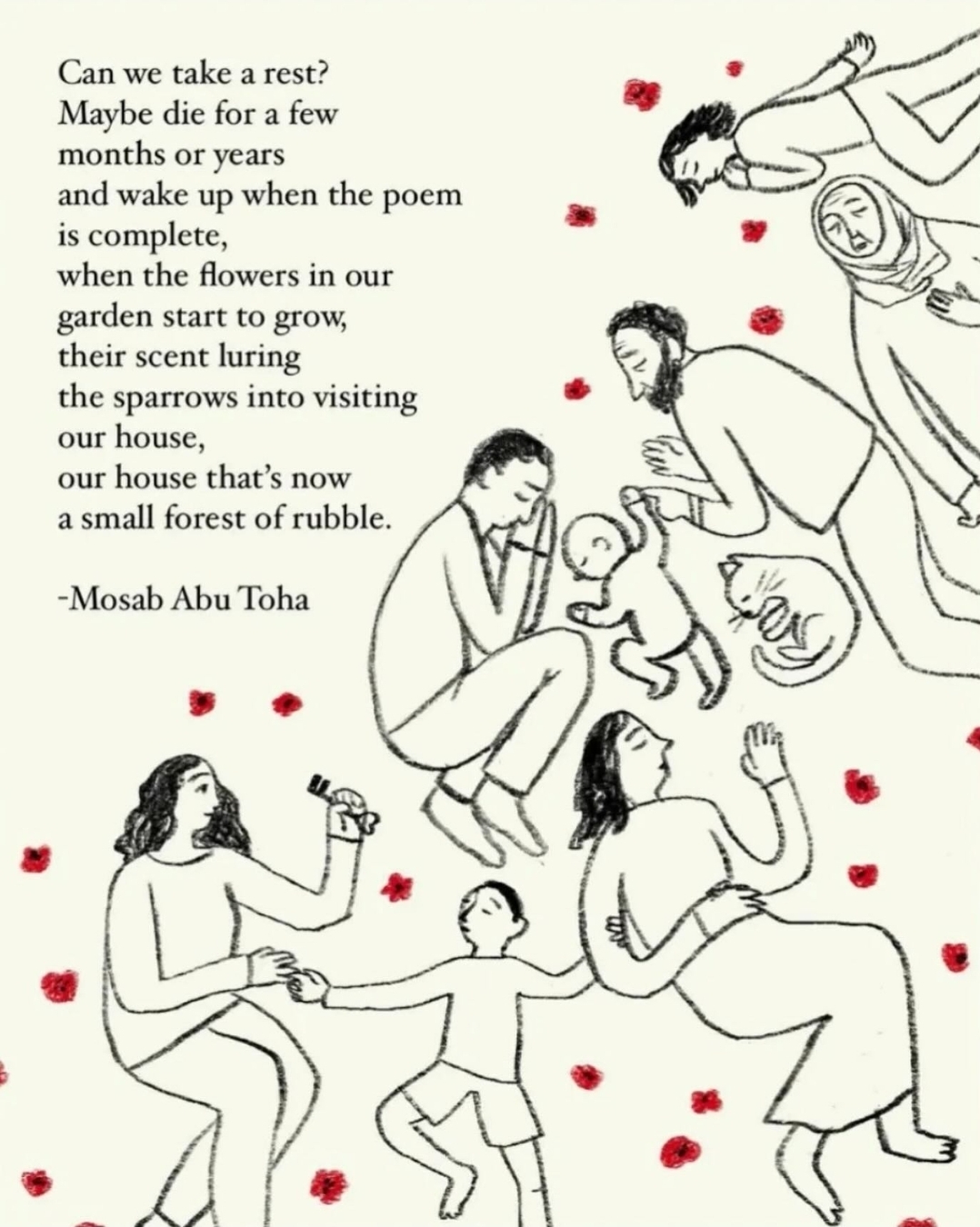

From Palestinian poet Mosab Abu Toha.
A poem by Darius Simpson in memory of Assata Shakur, who died on Friday. Reposted from X.


From Palestinian writer Susan Abulhawa, the author of many great books like Mornings in Jenin. Re-posted from social media.
one of the most overlooked and underestimated forms of resistance is memory.
we must all remember, because, Israel is banking on their zionist tentacles in tech to scrub their crimes from the internet;
on the tentacles in media to justify, obfuscate, spin, and mystify their crimes;
on Hollywood and entertainment tentacles to brainwash another generation;
on political tentacles to criminalize the truth and truth-tellers;
on academic tentacles to promulgate another invented history;
so make sure you remember everything you’ve seen in the past two years. believe your own eyes and ears. believe your own heart that knows evil, because everything around you will gaslight you into believing you didn’t see what you saw, that you didn’t hear what you heard, that your heart is wrong, that conscience is bad and the wholesale slaughter of children and defenseless families was necessary. remember, and save the files, organize and categorize those files, date them, and geolocate them.
memory is our revenge. truth is our revenge. and eventually, the laughter of our children in a liberated Palestine is our revenge.
Shanah Tovah to all our Jewish comrades out there doing the holy work of tikkun olam. This is from our friends at Jewish Voice for Peace.
This year, may the shofar be a wake-up call for all. As we enter 5786, our commitment to justice is greater than ever.
This sacred time of Rosh Hashanah and Yom Kippur demands that we recommit to the work of tikkun olam, repairing the world. That means doing everything in our power to end the Israeli government’s genocide of Palestinians and build a future of freedom and safety for Palestinians and all people. And as we work collectively to build Judaism beyond Zionism, we know that the high holidays offer potent rituals to fortify us for the long haul.
This is a moment of collective atonement. As you read this, the Israeli military is starving over two million Palestinians in Gaza to death. We call on the US government to end its support for the Israeli government’s genocide, and we call on all people of conscience to divest from death and speak out in defense of life.
Continue reading “Choose Life”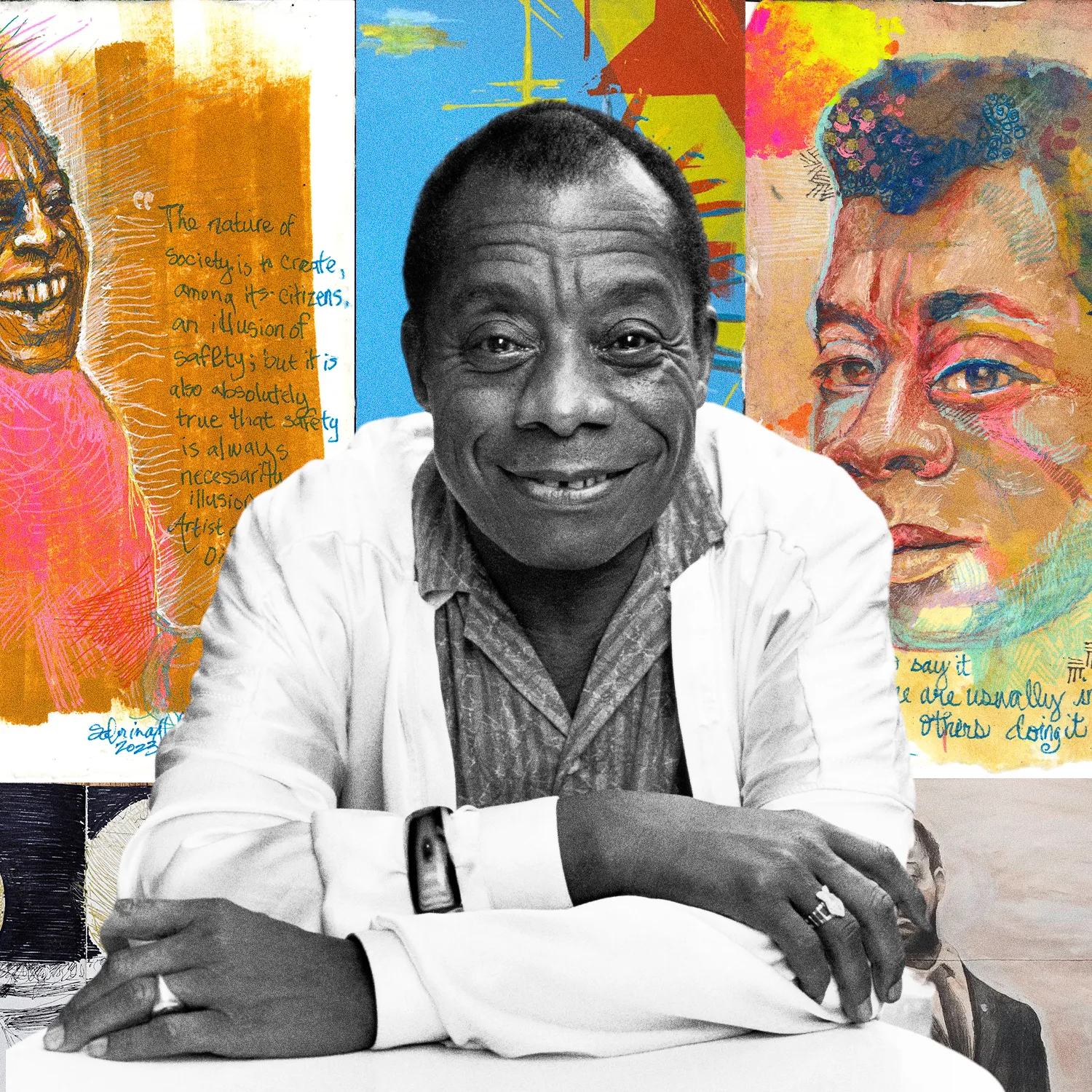
From James Baldwin in The Fire Next Time.
Love takes off the masks that we fear we cannot live without and know we cannot live within. I use the word ‘love’ here not merely in the personal sense but as a state of being, or a state of grace—not in the infantile American sense of being made happy but in the tough and universal sense of quest and daring and growth.

An excerpt from Rev. Dr. Howard-John Wesley’s sermon last Sunday. Listen to whole thing here.
Charlie Kirk did not deserve to be assassinated. But I’m overwhelmed seeing the flags of the United States of America at half-staff calling this nation to honor and venerate a man who was an unapologetic racist and spent all of his life sowing seeds of division and hate into this land. And hearing people with selective rage who are mad about Charlie Kirk, but didn’t give a damn about Melissa Hortman and her husband when they were shot down in their home, tell me I ought to have compassion for the death of a man who had no respect for my own life. I am sorry, but there’s nowhere in bible where we are taught to honor evil. How you die does not redeem how you lived. You do not become a hero in your death when you are a weapon of the enemy in your life.
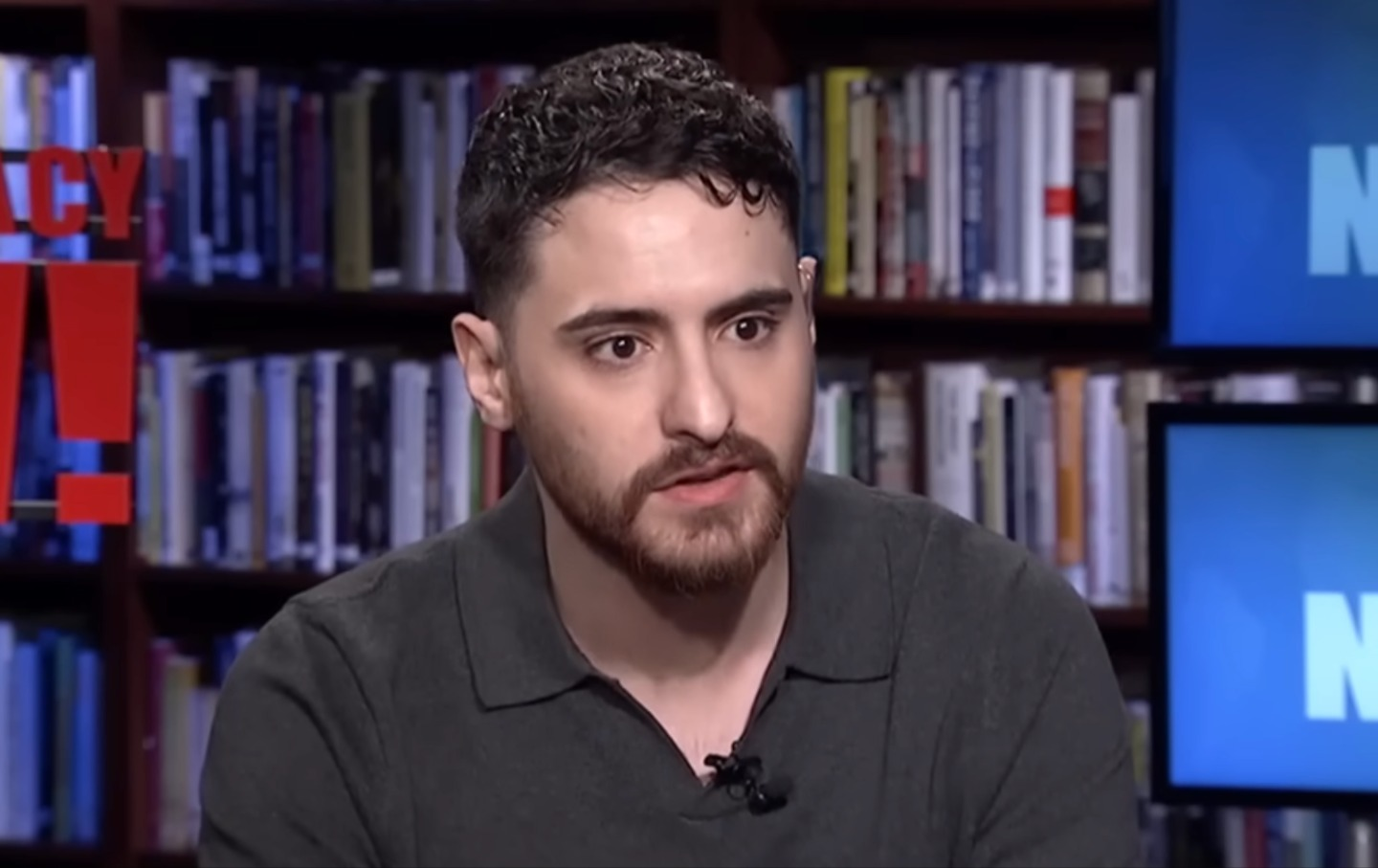
From Mohammed El-Kurd, a Palestinian author, re-posted from his Substack feed.
If you felt that the Javier Bardem/Hannah Einbinder’s statements last night [at the Emmy Awards] were refreshing, and unlike the usual red carpet lip-service, it is because they weren’t vague or preemptively defensive, nor did they reduce the genocide to a faceless “humanitarian crisis.” They denounced the culprit unequivocally and named what justice demanded: sanctions.
I’m rarely impressed with celebrity displays of solidarity, not only due to suspicions of opportunism or whatnot, but mostly because, so often, they’re painfully timid and hesitant, defanging their political stances with euphemisms, disclaimers and bothsidesism, or refusing to name the perpetrators—these silly linguistic tricks meant to appease all sides end up rendering well-intentioned gestures hollow and perfunctory. Such reticence does nothing to raise the ceiling and is a complete waste of social capital.
In the case of Bardem and Einbinder, however, it wasn’t the keffiyeh or the ceasefire pin that were impressive, it was Bardem’s full-throated call for “commercial and diplomatic blockade, and also sanctions on Israel.” It was Einbinder’s saying “Free Palestine” in a room full of powerful Zionists, instead of opting to use the classic (and very feeble) talking point of “women, children, etc.” Meaning, instead of taking the easy route of talking about Gaza as if it’s an unfortunate natural disaster, she explicitly adopted the slogan of our movement, a slogan rooted in anti-Zionist, anti-colonial struggle for land and liberation, coupling it with the local struggle against ICE, and later renouncing Israel, not just “Netanyahu’s government,” as an “ethnonationalist state” that must be exiled outside of American mainstream Jewry.
One only gets a few minutes on stage or talking to the press, and they chose to use that time to move beyond the symbolism of the pin and the scarf and into tangible action, however limited it may be: vowing to cut ties with those complicit in genocide and demanding they be sanctioned.

By Kiese Laymon, re-posted from social media.
Flags lowered for the death of the worst of white folks is pretty on-brand for this great again place. We are not in the midst of a coup, or a dictatorship. This has always been an offering under the guise of decorum. Peep the supposed left today genuflecting to a man who preached, “Black women do not have the brain processing power to otherwise be taken really seriously.”
I wish that man was not killed. “Killing’s some wack shit.” But, more than that, I wish that man considered a public and private love for the most vulnerable parts of himself and his nation before he died. I wish the same for all of us. Please do not offer your good to great gobblers of grace. They eat suffering. They eat grace. They eat good. They bust us in the heads, gleefully dismantling the few protections the vulnerable have left.
But they got heads too.
Do not let them take our radical desire for common good. Please.
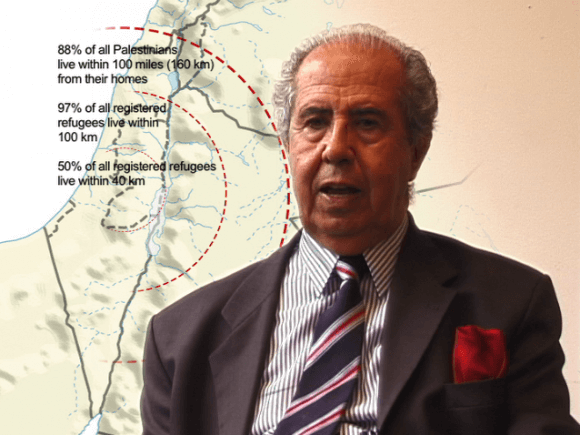
By Salman Abu Sitta, a Nakba survivor and the founder and president of Palestine Land Society, re-posted from Facebook on 9/3/25.
A MESSAGE TO AN AMERICAN JEWISH PROFESSOR
Dear Prof xxx
For many years you wrote scholarly “moderate” articles on Zionism and Israel.
Yesterday you wrote that “Israel has a right to exist” is not in question.
As a Palestinian who was born in Al Ma’in Abu Sitta, I ask a simple personal non academic question: will this state exist on my land?
If yes, I do not agree, never did, never will.
My family was attacked by Zionist militia on 14 May 1948 and our landscape was destroyed. We became refugees ever since. Four kibbutzim were built on my land.
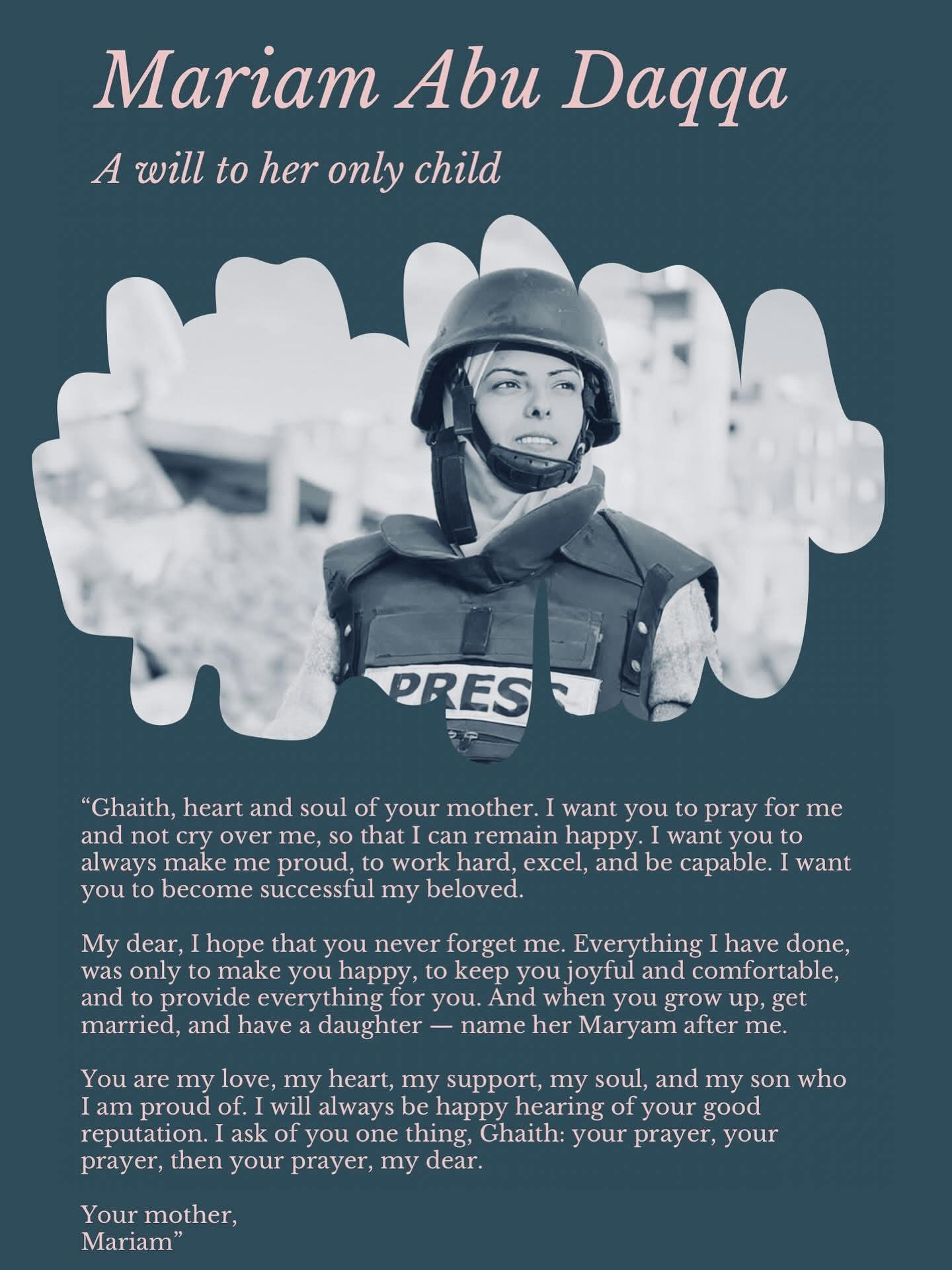
Continue reading “We Shall Return”A final message from Mariam Abu Daqqa, who was murdered by Israel this week.
 Radical Discipleship