
 Day 6 of our Lenten Journey through Dr. King’s “Beyond Vietnam” speech.
My third reason moves to an even deeper level of awareness, for it grows out of my experience in the ghettos of the North over the last three years, especially the last three summers. As I have walked among the desperate, rejected, and angry young men, I have told them that Molotov cocktails and rifles would not solve their problems. I have tried to offer them my deepest compassion while maintaining my conviction that social change comes most meaningfully through nonviolent action. But they asked, and rightly so, “What about Vietnam?” They asked if our own nation wasn’t using massive doses of violence to solve its problems, to bring about the changes it wanted. Their questions hit home, and I knew that I could never again raise my voice against the violence of the oppressed in the ghettos without having first spoken clearly to the greatest purveyor of violence in the world today: my own government. For the sake of those boys, for the sake of this government, for the sake of the hundreds of thousands trembling under our violence, I cannot be silent.
——————
From Glenn Greenwald’s Obama-era reflection on Dr. King’s “Beyond Vietnam” relevance (Jan 21, 2013):
What I always found most impressive, most powerful, about King’s April 4 speech is the connection he repeatedly made between American violence in the world and its national character…
The debasement of the national psyche, the callousness toward continuous killing, the belief that the US has not only the right but the duty to bring violence anywhere in the world that it wants: that is what lies at the heart of America’s ongoing embrace of endless war. A rotted national soul does indeed enable leaders to wage endless war, but endless war also rots the national soul, exactly as King warned. At times this seems to be an inescapable, self-perpetuating cycle of degradation… Continue reading “The Greatest Purveyor of Violence”
 From
From 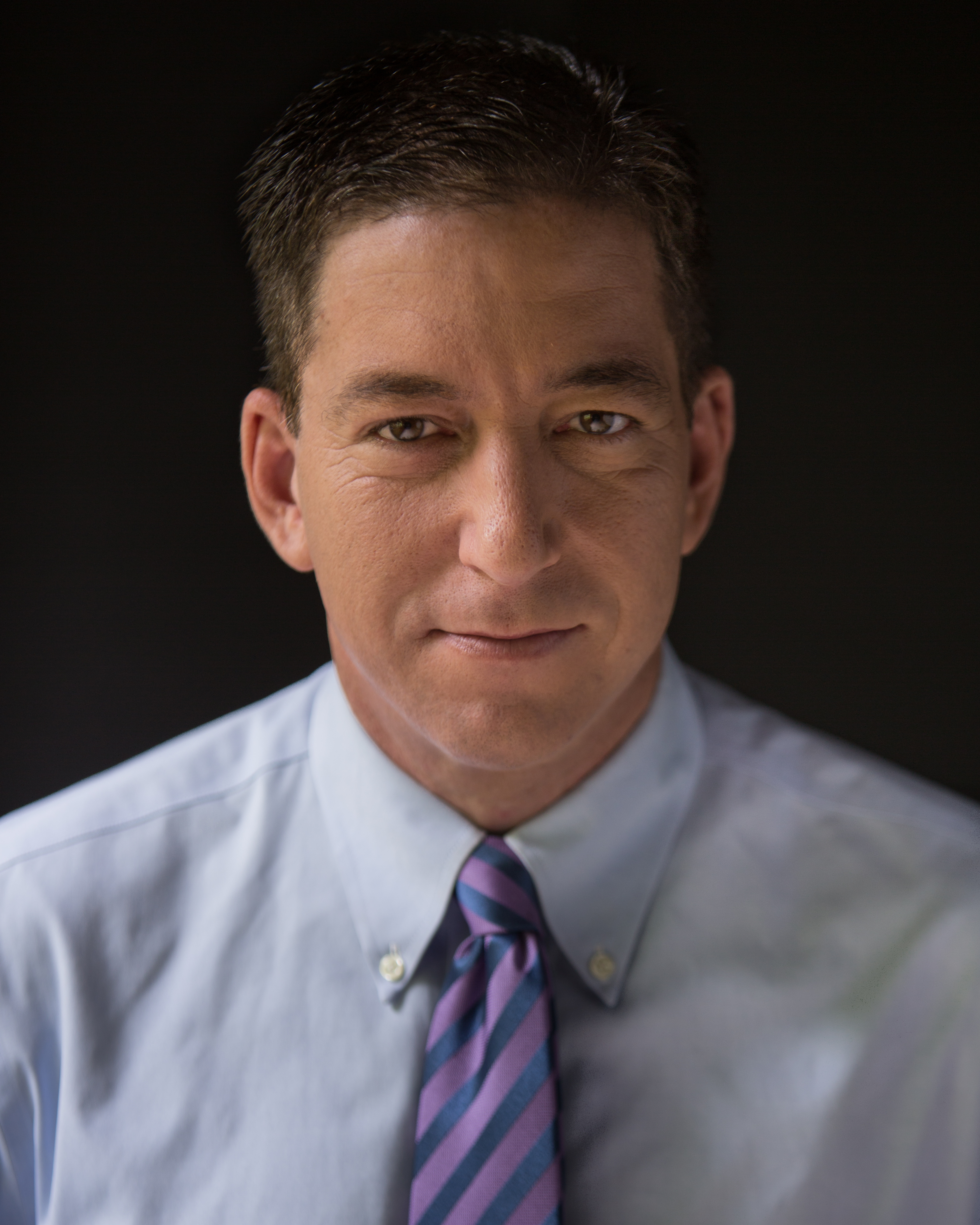
 Radical Discipleship