
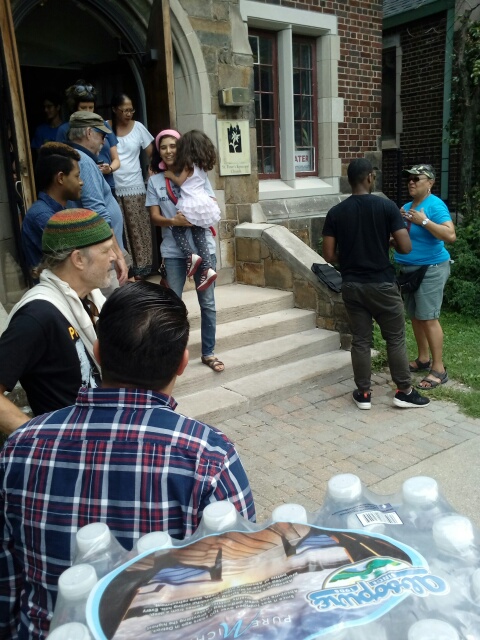
By James W. Perkinson
The clear untouched pool accepts me into its emerald depths like a big drop of water . . . I dive down again and again, feel the water-fingers softly caressing my hot face, tracing my underarms, my neck and breasts—nipples raised hard against the cold . . . and though the water is not going anywhere, it seems to move against me still, even as I lie immobile on its surface. I flip and turn, purring to the sensual caress. I have dipped into a private treasure and am wrapped in the arms of the True Gods (Lee, 132, description of Glen Canyon pothole only fifteen feet wide, whose smooth sloping sides refuse her efforts to climb out wet and nearly kill her over the next hour).
I begin in the unlikely place of a quote from raconteur Katie Lee—author, musicologist, folk singer, storyteller, Hollywood actress, song writer, filmmaker, photographer, poet, and river runner (in the words of her bio, Lee, 273). She is not indigenous. But she is a “grit” person, as Terry Turner Tempest offers in the Foreword—a woman “not afraid to laugh and tease, cajole, and flirt, cuss, rant, howl, sing and cry.” “Katie Lee,” says she, is “the desert’s lover, her voice is a torch in the wilderness” (Lee, ix). I begin here, away from the subject, because that is where I begin, where most of us today begin, in this land of the less-than-free, home of the most-often-cowardly. We who are not indigenous, not native, pretend to own the land, but we are not of the land. Rather than belong to it, we belong mostly nowhere, counting strip malls and car interiors and I-Phone screens our domiciles of greatest comfort.
Continue reading “Courting and Romancing and Widows and Dams”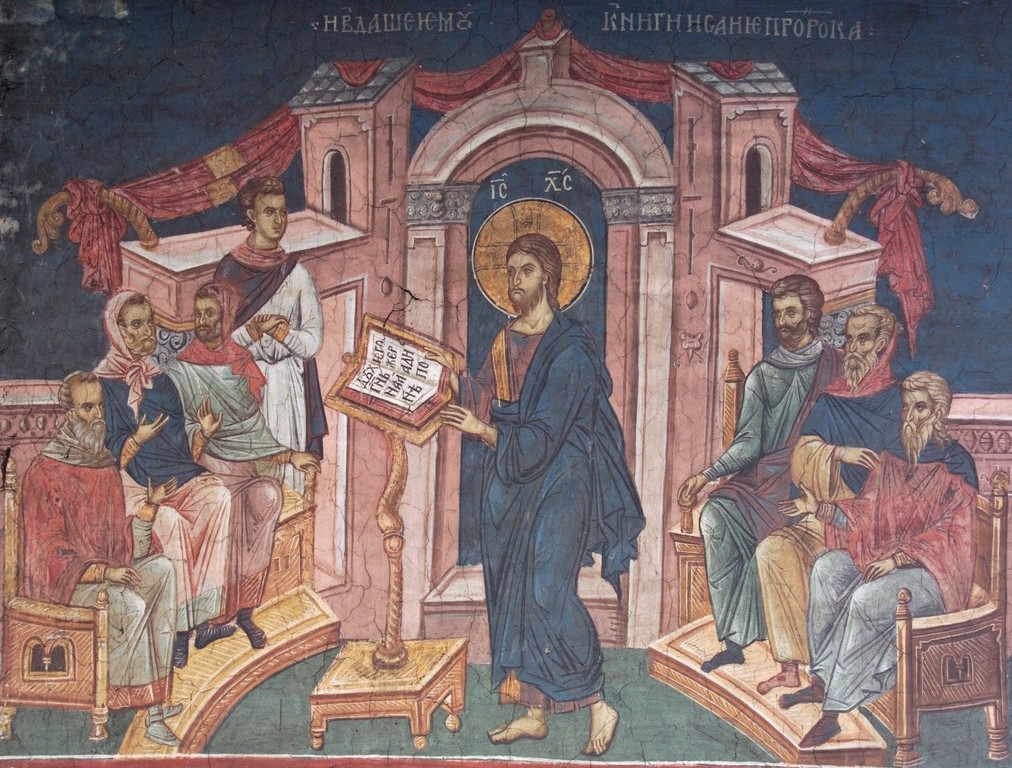

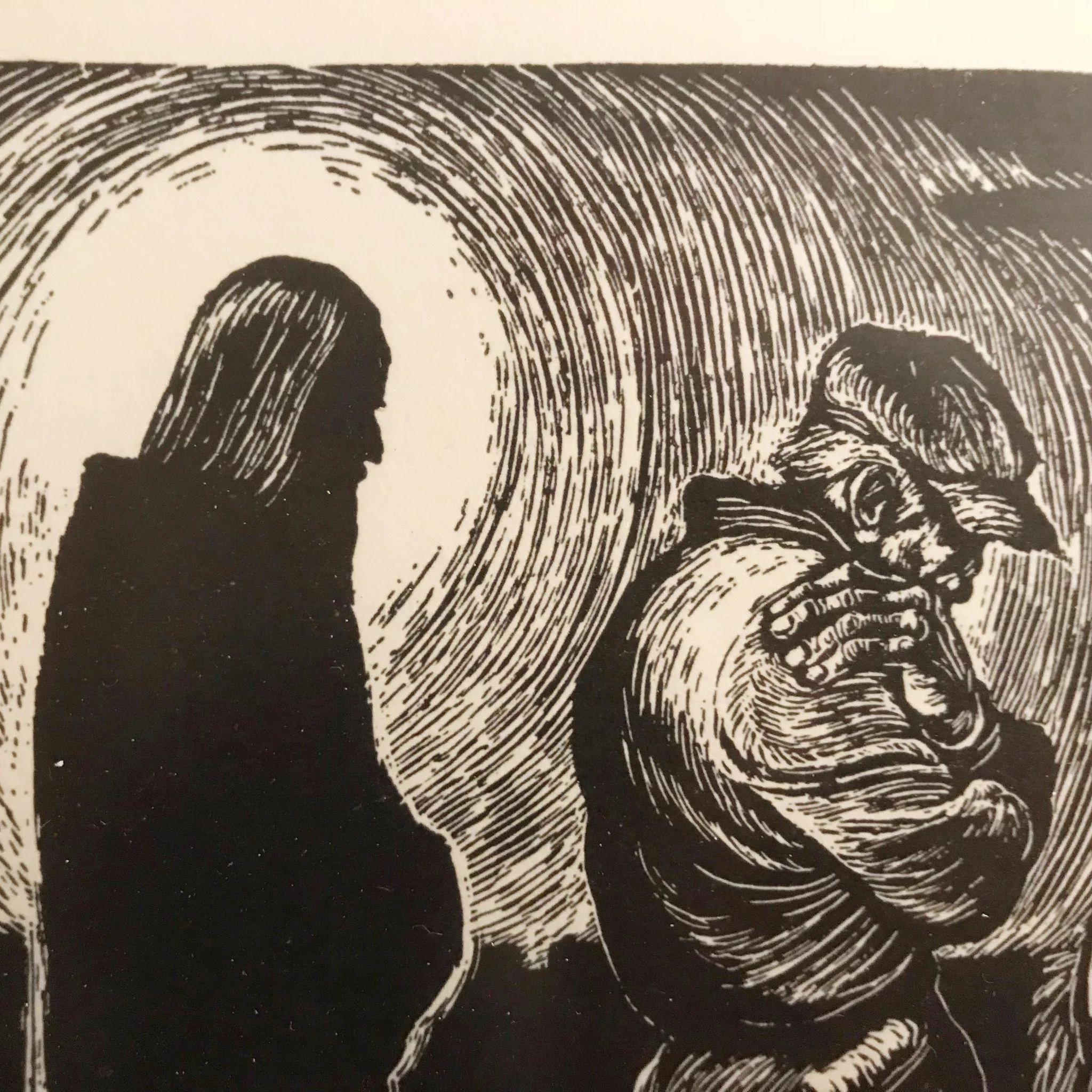
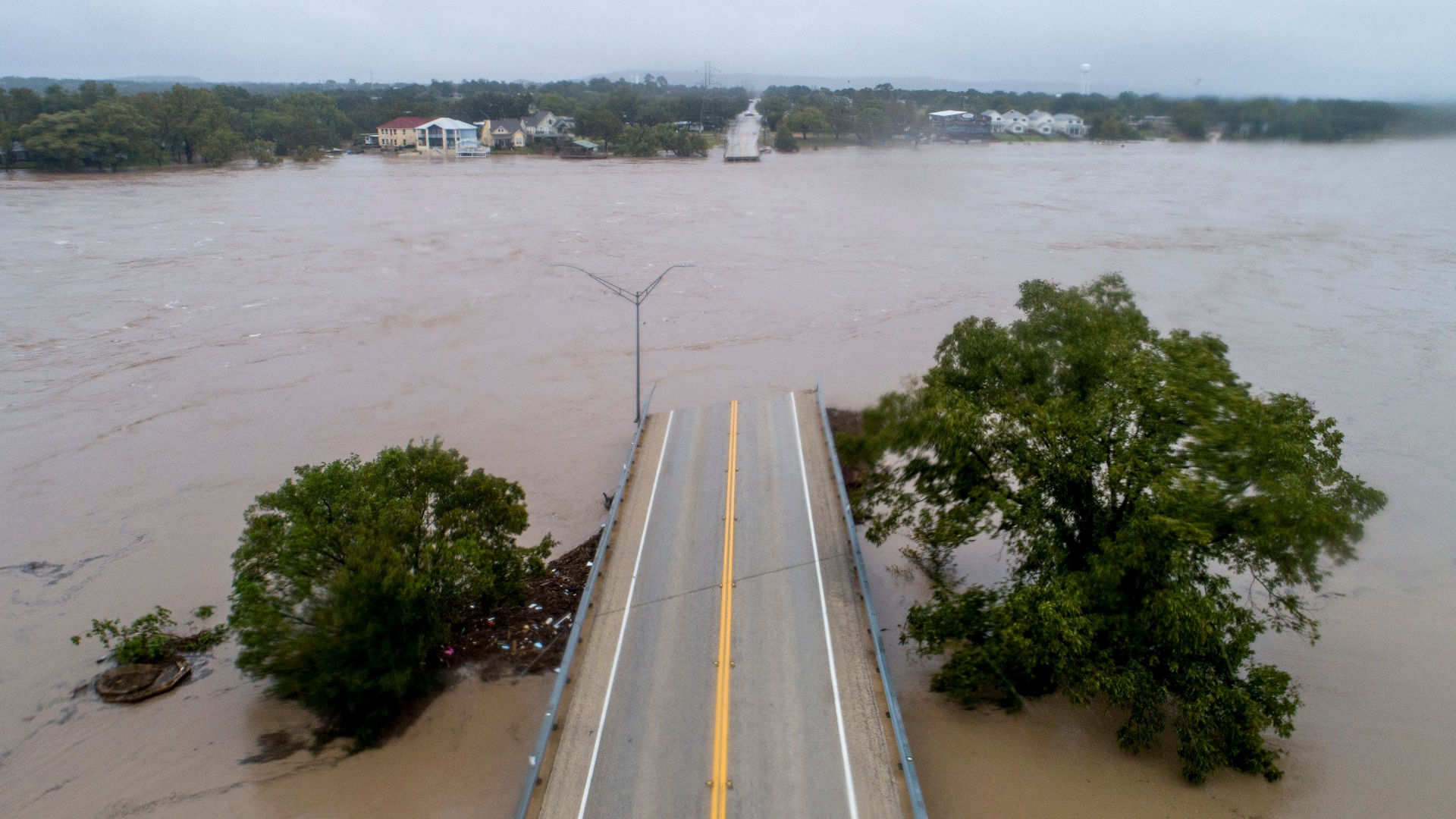
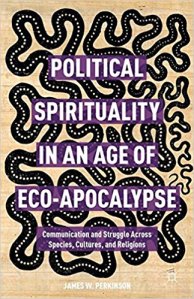 By Jim Perkinson, from

 By Jim Perkinson, a sermon for St. Peter’s Episcopal Church (Detroit, MI)
 Radical Discipleship