
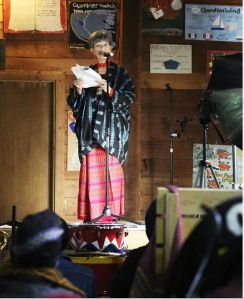
 By Lily Mendoza, from “Healing Historical Trauma: Ethnoautobiography as Decolonizing Practice,” a talk delivered at the Graduate Center, University of Pretoria, August 16, 2016:
Indeed, there is hope in remembering that for the majority of our time on the planet, we have lived very differently than we do today. We did not make war a way of life; we did not treat the Earth as mere resource to do with as we please; we did not deem ourselves the most important creatures on the planet; we did not always enslave; we did not take more than we needed and without giving back; we did not build businesses out of imprisoning huge numbers of our population, or out of producing weapons of mass destruction or psychotropic drugs meant to numb our pain and boredom; we did not take over every square inch of land driving every other species out their habitat and into extinction, etc. In other words, if, for the majority of our life on the planet, we did not do any of these things—i.e., we did not rape, pillage, and plunder—surely we can stop doing so again and start desiring and working for a different way to live on our shared planet? Continue reading “Working for a Different Way to Live”

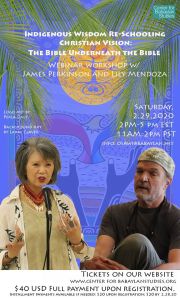 From the Center For Babaylan Studies, this webinar is live tomorrow at 2pmEST. Click
  By S. Lily Mendoza (right), from
 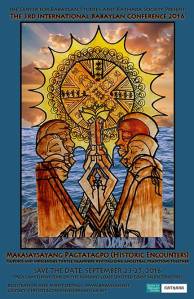 Excerpt from Lily Mendoza’s keynote at the recently concluded

 Radical Discipleship