
From Dr. T. Wilson Dickinson, Professor of Theology and Director of the Doctor of Ministry and Continuing Education Programs at Lexington Theological Seminary.
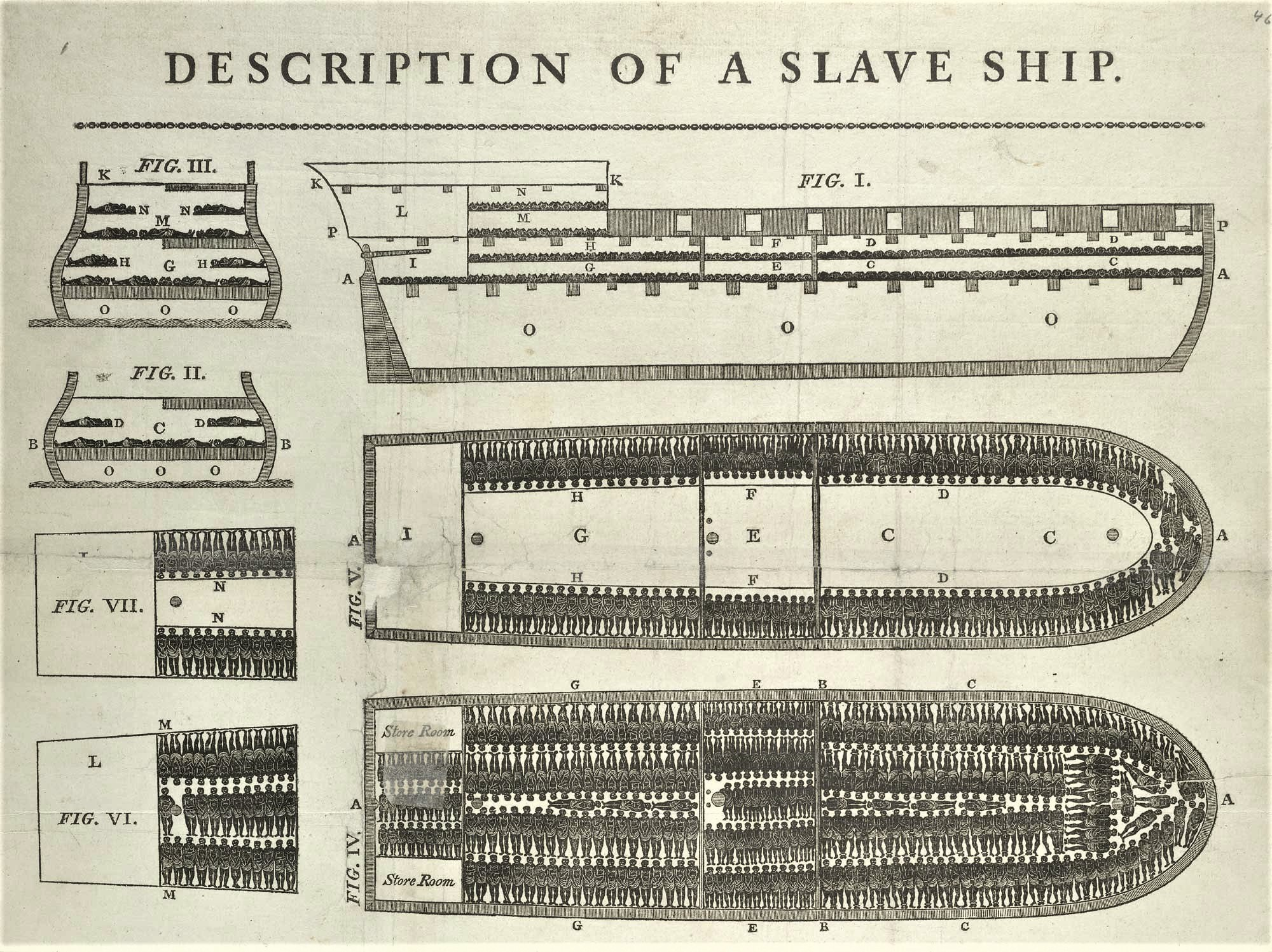
The historical analogy for AI is not the printing press but the ship. While the ship was a technology that could have been used in many ways, the structural and strategic forces behind it made it the slave ship, the cargo ship, the naval ship. The tech barons and venture capitalists behind AI and the structures of racial capitalism that shape it are not seeking to improve our shared lives, but to grab more power and wealth.
To make these ships, forests were cut down and communities, ecosystems, and ways of life were destroyed. Likewise, AI is already having devastating environmental consequences with emissions, water, and communities. Those ships were used to transport enslaved and indentured peoples to plantations and mines, and they transported those extracted “resources” to factories. The commons were enclosed and privatized, so that the means of production could be held by a few, and the many would be so desperate and dependent that they were easily exploited. The growth of AI is being driven by the ambition that a few will own not just the means of production, but the producers themselves will be machines that can be owned. The vision is not to share this largess with all peoples but to consolidate power.
The age of the ship tried to call itself the Enlightenment. Its advocates were folks like John Locke who spun webs about freedom being rooted in private property and spent his life as a bureaucrat writing up constitutions that instituted slavery. Likewise, AI optimist are dressing it up as a kind of intellectual freedom, but its function will be to produce and control more docile populations.
Continue reading “Call a Thing What it is”
