
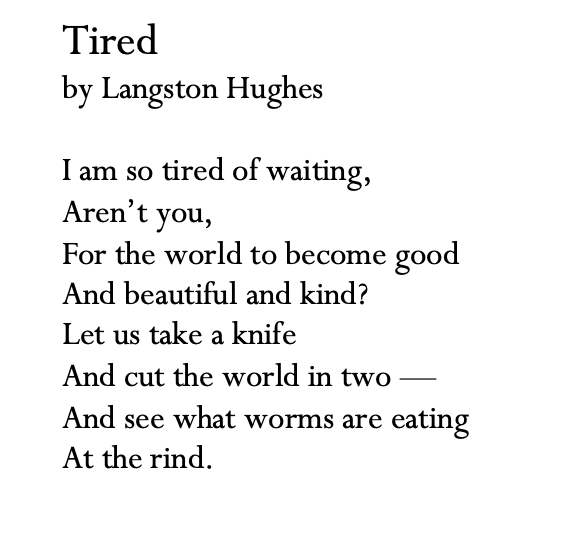
Category: Art as Resistance
Altadena
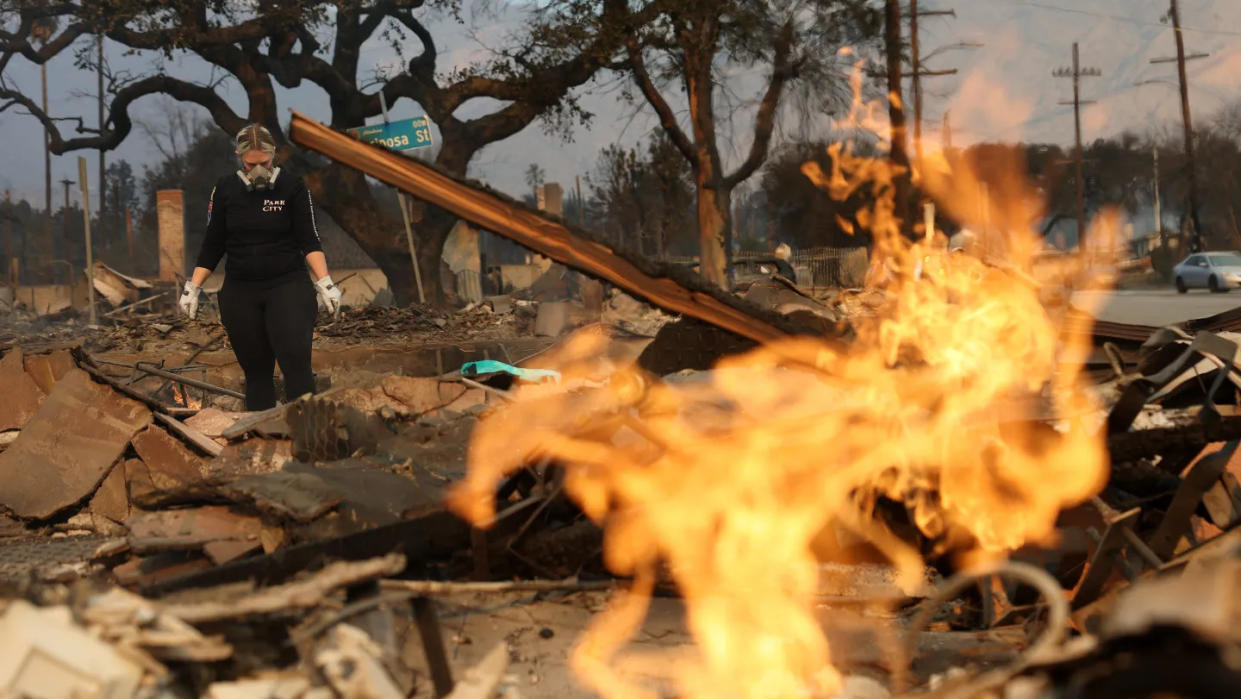
Re-posted from Word in Black, a ground-breaking collaboration of ten legendary Black news publishers.
As the rapidly-spreading Eaton wildfire in Los Angeles crept closer to the home he’d lived in for nearly six decades, Rodney Nickerson, 83, wasn’t going to panic. Despite the pleas of his worried daughter and anxious neighbors, he was staying put.
It apparently made sense for him to hold on: he bought the house in 1968, back when it wasn’t easy for Black people to own property in L.A., much less in a great neighborhood like Altadena. To Nickerson, a retired engineer who clocked in at Lockheed-Martin for almost half a century, there was no reason to panic. He would ride it out.
“He said, ‘I’ll be fine,’” his daughter, Kimko Nickerson, told a reporter for KCAL, a local TV news station. “He said, ‘I’ll be here when you come back and the house will be here.’”
Tragically, he miscalculated: when she returned to the house, Kimko Nickerson found her father’s body in the charred, smoldering ruins.
Continue reading “Altadena”The Spilled Guts of What My Language Has Become

The opening of a recently published essay called “Notes to Gaza’s Beloved Dead” by Palestinian-American poet George Abraham. Click here to read the entire essay at Atmos.
A promise to our dead and (briefly, necessarily, though not consensually) resurrected: I am searching for a form through which my words might be capable of, one day, holding you. I will not make you object or spectacle. This world is already super-saturated with your viscera, and so, the only way I know to write to you is not with words but with the spilled guts of what my language has become. I cannot focus on anything but you these days. The world is spiraling onwards, intent on burying you, unmourned. The ruling class are reaching for an unmournable world through your bodies. But even in my inability to turn away, my looking itself becomes a violence. As you become content, become news and feed, my looking becomes a unit of capital from which corporations profit. I am hoping, instead, to wander with, and not from, you. To you, and to the living who commit themselves to you, I am responsible. To you, I owe what little life I have left to give.
With These Commitments

From the conclusion of Olly Costello’s opening note to their 2025 calendar. Every month is breath-taking. Order it here.
What must we do to build the power to finally topple these capitalist imperialist systems and end the cycles of violence we keep inheriting? To be honest, I don’t really know but I am determined to be a part of figuring it out. When I really think about where to go next, I know that the answers emerge out of our relationships. What we learn together, what we fight together, working through hard things together, what we are willing to build together…
So I’m gonna start here with these commitments: to rise up against mass death and refuse despair and abandonment, to educate myself and others about the critical connections between imperialism and capitalism, to practice love through resistance, to bring people into this work, to shape this rage inside of me into the fire that forges new bonds, and to ground in the knowing that “what we do in connection makes the world.”
ADVICE TO MYSELF #2: RESISTANCE
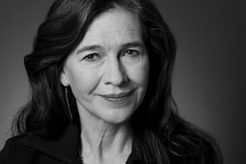 By Louise Erdrich (above), published in Orion Magazine’s beautiful 2017 compilation of essays “Women and Standing Rock”
Resist the thought that you may need a savior,
or another special being to walk beside you.
Resist the thought that you are alone.
Resist turning your back on the knife
of the world’s sorrow,
resist turning that knife upon yourself.
Resist your disappearance Continue reading “ADVICE TO MYSELF #2: RESISTANCE”
Find a Palestinian

From Kendra Savusa, a Palestinian-American artist (above) in the US South. This is a re-post from social media (12.18.2024). Follow and support her work here.
I used to think part being a good Christian woman meant holding my tongue all the time, something I’ve never been good at—and in some cases, that is still the wisest thing to do. But this past year, every time I’ve wanted to remain silent, I’ve felt an overwhelming push from God to speak.
So here I am, day 437, still speaking.
To my fellow Christians who have chosen silence, who have clung to what they’ve always been taught, who have stood with the powerful instead of the oppressed—I’m asking you to reconsider.
This week at my church, we reflected on Jesus washing His disciples’ feet—the ultimate act of humility and service. What would it look like for us, as His followers, to lower ourselves in the same way, to serve those we’ve been taught to fear or dismiss?
I pray that 2025 is the year you “find a Palestinian” (in the words of my friend, Amy) and allow yourself to be humbled enough to learn from them.
Continue reading “Find a Palestinian”The Laws of Motion
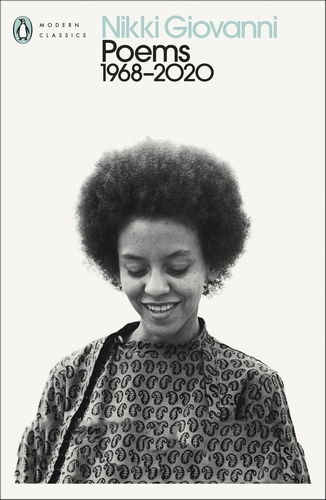
Nikki Giovanni joined the Ancestors last week. She was eighty-one. This is one of her poems called “The Laws of Motion.”
The laws of science teach us a pound of gold weighs as
much as a pound of flour though if dropped from any
undetermined height in their natural state one would
reach bottom and one would fly away
Laws of motion tell us an inert object is more difficult to
propel than an object heading in the wrong direction is to
turn around. Motion being energy—inertia—apathy.
Apathy equals hostility. Hostility—violence. Violence
being energy is its own virtue. Laws of motion teach us
Advent for Palestine
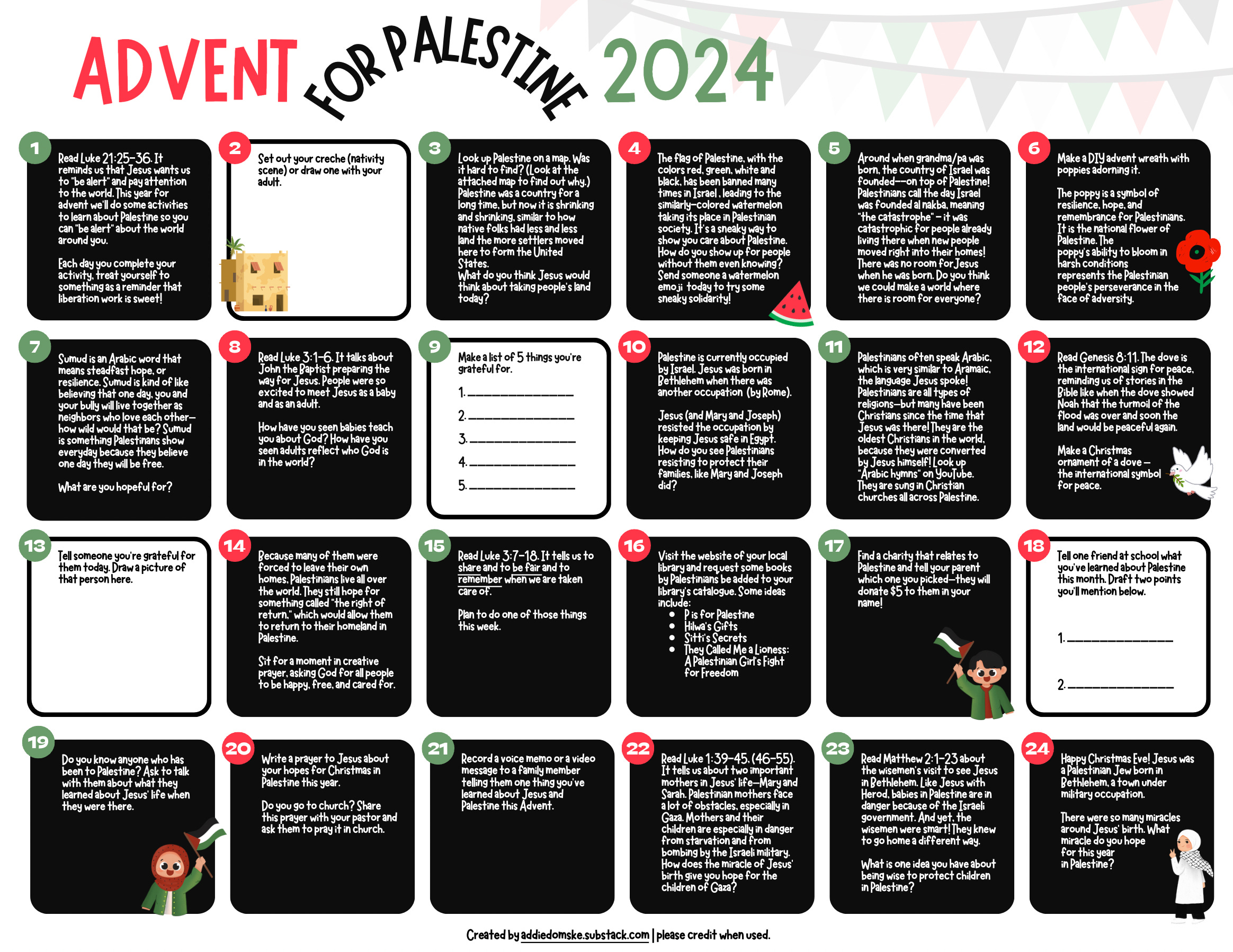
Re-posting this beautiful children’s Advent calendar from the Rev. Stands for the Revolution, the Substack newsletter of Rev. Addie Domske, an ordained minister and trained movement chaplain who lifts up queer abundance and Jesus’ rebellious message.
One thing I want to be when I grow up is a cool, radical auntie.
I have been trying to be good at this role for about 15 years now, starting when the first of my four niblings1 was born. I will find out from them in their collective adulthood if I succeeded.
I have lived far, far away from all four of them for their entire lives, so most of my interactions come from mailing them things, (I had the cutest pen pal relationship with my oldest nibling when he was a wee lad.) A few years ago, I started the tradition of sending them all advent calendars each year based on their interests at the time. This year I’m proclaiming that they are all interested in Palestine, because my spouse and I decided to spend all of our Christmas gift funds for our external families on products from Palestinian artisans.2
Continue reading “Advent for Palestine”The Truth of your own Sacred Contribution
In May 2024, students of conscience at UC Irvine organized a non-violent direct action to demand that their university divest from companies profiting off the genocide in Gaza. Fifty protestors were arrested. Tiffany Willoughby-Herard, a tenured professor of global and international studies, was escorted away by riot police, her hands zip-tied behind her back. In a recent interview, she said: “You cannot war-machine your way out of massive social problems that actually require study and reflection.” This is a poem that Professor Willoughby-Herard posted in 2020.

So What’s the Answer?
Here’s some more Octavia Butler to meditate on. This one comes to us from author Monica Byrne, who wrote that every time she criticizes the Democratic Party, and someone asks “So what’s the answer?”, she posts this.

 Radical Discipleship