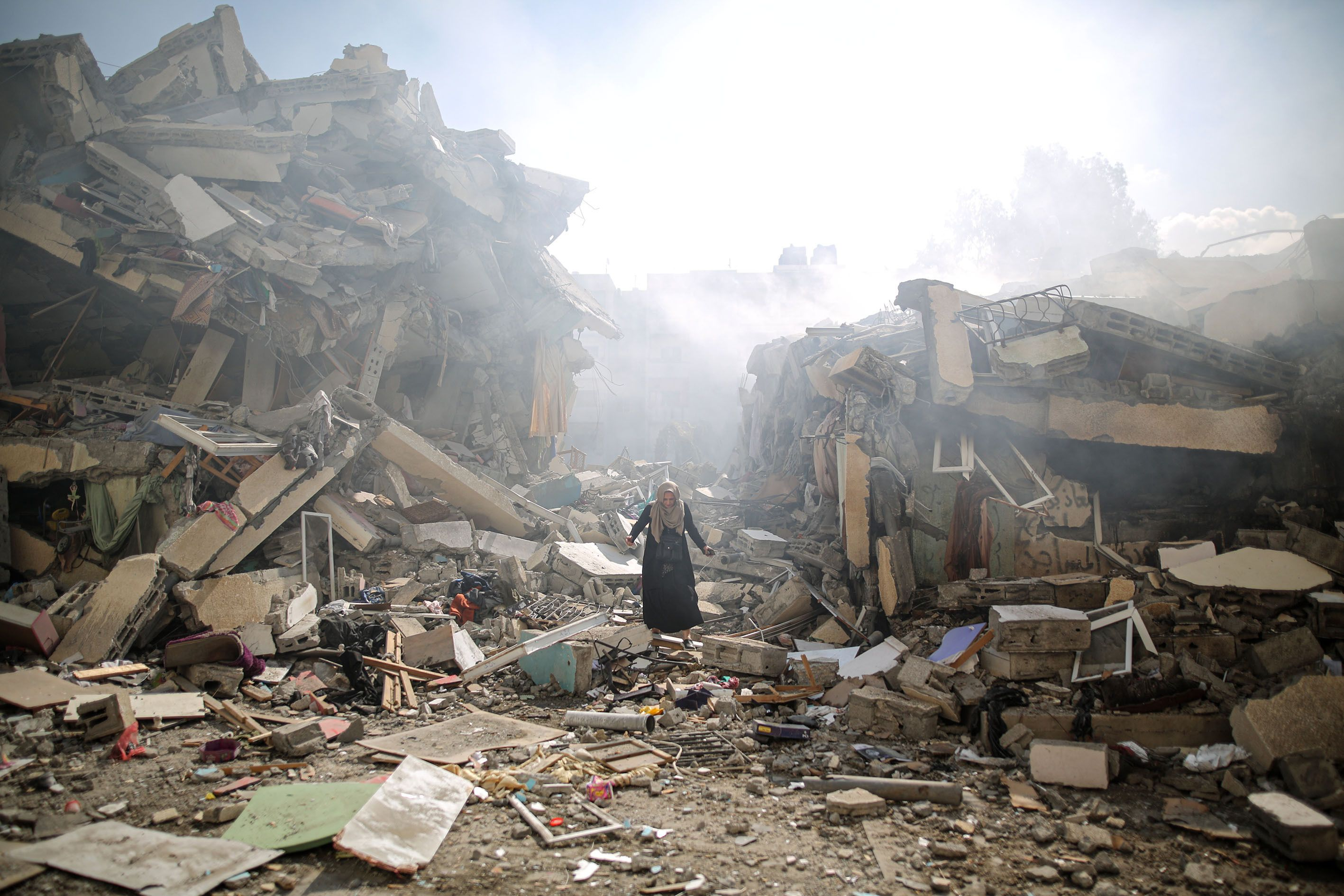
This Easter confronts us with a painful truth: many Christians have turned away from the way of the cross. Instead of following the crucified Christ, they align with the empire that crucified him—seeking power and influence.
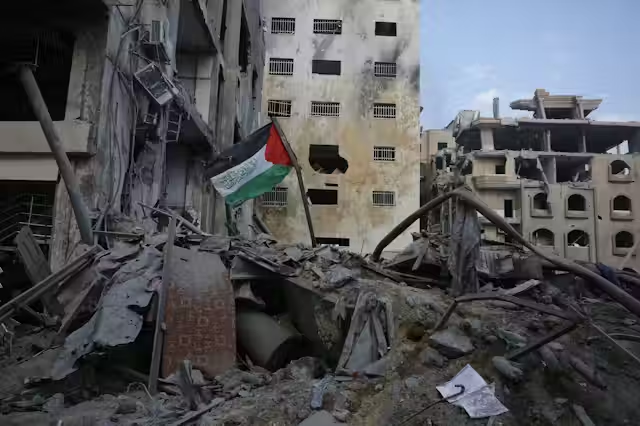
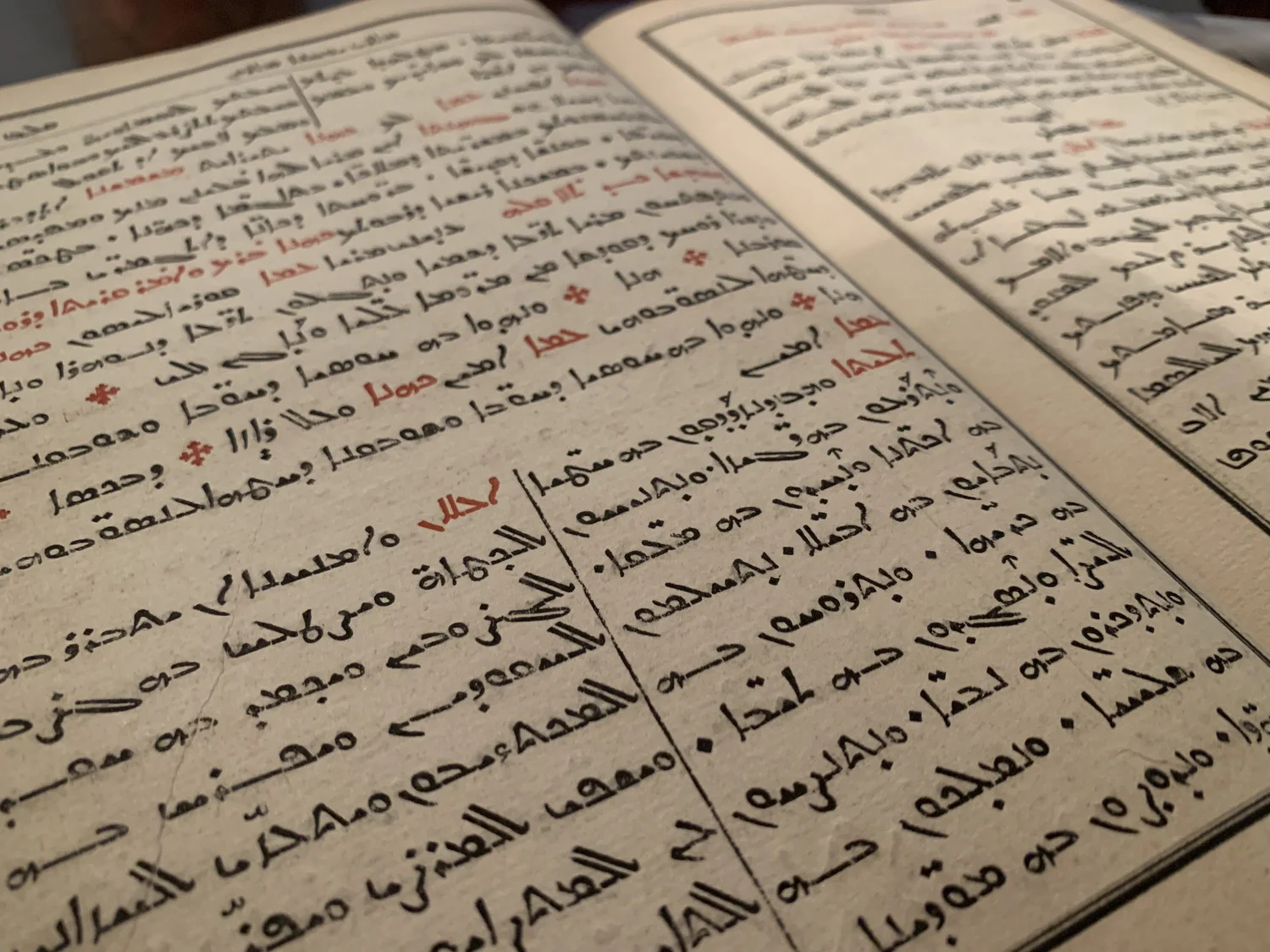
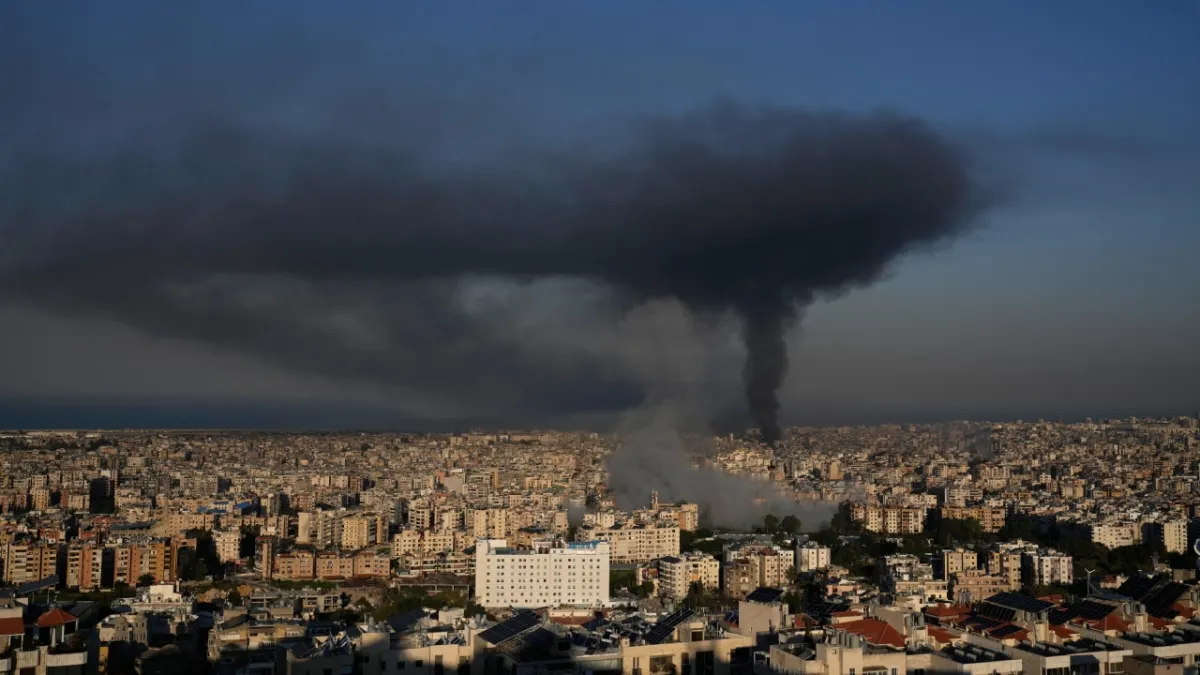
I wish American Christians who are cheering Israel’s actions in Palestine and Lebanon could attend a Lebanese Maronite Church and hear the prayers read in Aramaic.
That was the language spoken by Jesus, and it is preserved proudly by these ancient Arab Christian communities.
They won’t recognize the language as Jesus’ language though, just as I cannot recognize their actions and thoughts as anything remotely resembling Christianity.
God of the oppressed and the overlooked. God who heard the cries in Egypt and still hears the cries of the suffering today. Steady our hearts in a world filled with violence, confusion, and Empire.
Teach us to hunger for justice without losing our compassion. Teach us to celebrate deliverance without forgetting the sacredness of life. Give us the courage to ask hard questions. Give us the wisdom to discern truth from propaganda. Give us the strength to stand with the oppressed wherever they cry out.
Remind us, O lord, that the mighty do not rule forever. That justice still rises, and that your spirit still moves among the lowly. Let our voices speak truth. Let our hands build peace. And let our hope remain stubborn in the face of despair.
By Alec Karakatsanis, re-posted from social media.
One thing not getting enough attention now that the U.S. has admitted to exterminating hundreds of elementary school girls is that many very powerful people lied about it.
They knew it was on the target list, they knew they had launched the missiles, they knew the school had been hit multiple times. And they tried to hide it and deflect blame to boost support for the early days of the illegal war.
In any reasonable society—as opposed to a deeply sick one where there is no pretense to caring about truth or accountability or law or justice—a lie of this magnitude would mark the end of a person’s public life and extensive public proceedings to uncover everyone involved and to eradicate the institutional arrangements capable of such crimes and corruption.
It’s similar to the complete rejection of truth and accountability that I have seen in police and prison corruption/violence. In the most fascist corners of our society, the only principle is who has—and is willing to ruthlessly deploy—power over others. Once a society tolerates this kind of thing, it’s like a cancer that spreads and cannot be stopped.
This is an excerpt from “Kairos Palestine II: A Moment of Truth – Faith in a Time of Genocide” released by Palestinian Christians in November 2025. Read the whole thing here – and sign on in solidarity here.
We reject the oppression and injustice produced by the theology of racism, colonialism and ethnic supremacy embodied in Christian Zionism, a theology that has produced apartheid, ethnic cleansing, and genocide of indigenous people.
Christian Zionism calls on a tribal, racist god of war and ethnic cleansing, teachings utterly alien to the core of Christian faith and ethics.
Christian Zionism must therefore be named for what it is: a theological and moral corruption. After all efforts to invite Christian Zionists to genuine repentance have been exhausted, moral, ecclesial and theological responsibility requires that they be held accountable and that their ideology be rejected and boycotted.
The time has come for the churches of the world to repudiate Zionist theology and to state clearly their position on Palestine: this is a case of settler colonialism and ethnic cleansing of an indigenous people.
From journalist and professor Dr. Stacey Patton, re-posted from social media
Zionism and white supremacy are the fraternal twins of settler colonialism. Both were raised on the same myths of divine entitlement. Fed on the same fear of demographic ‘replacement.’ And sustained by the same logic that calls displacement and land theft ‘security’ and calls genocide ‘self-defense.’
The Christian season of Lent will kick-off on the exact same day as Islam’s holy month of Ramadan.
This is not just a coincidence. This is a divine conspiracy.
It all starts on Ash Wednesday, February 18.
I am wondering what it might look like for a network of Christians and Jesus-adjacent folks in North America to cross over and fast from food and drink during daylight hours for the entire month of Ramadan.
I see this as a small act of solidarity with Muslims all over the planet – and specifically with Palestinians who are enduring ethnic cleansing and genocide abroad, and constant demonization here in the US.
I also see this as a tangible way for Christians to repent from all the anti-Arab racism and Islamophobia built into the body of Christ.
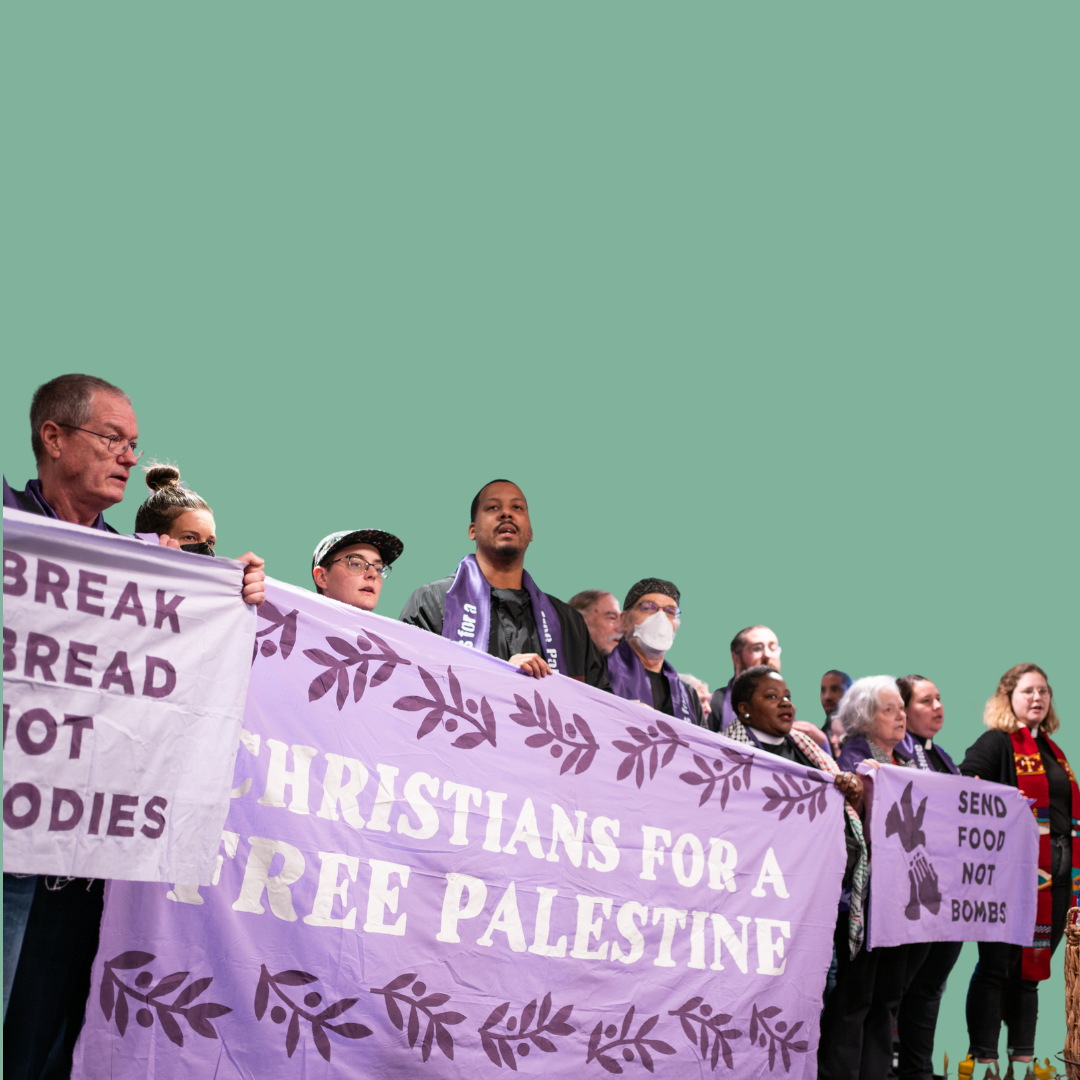
From our friends and comrades at Christians for a Free Palestine.
We’re excited to share that Christians for a Free Palestine is being featured on an upcoming webinar, “Faith in the Crosshairs,” on Monday, February 16, at 6 pm ET / 3pm PT. You’ll see some familiar faces as we share contemporary analysis with our friends at Adalah Justice Project (AJP) and Jewish Voice for Peace (JVP), and talk about our work organizing against Christian Zionism. The webinar is , and a recording will be sent to all registrants.
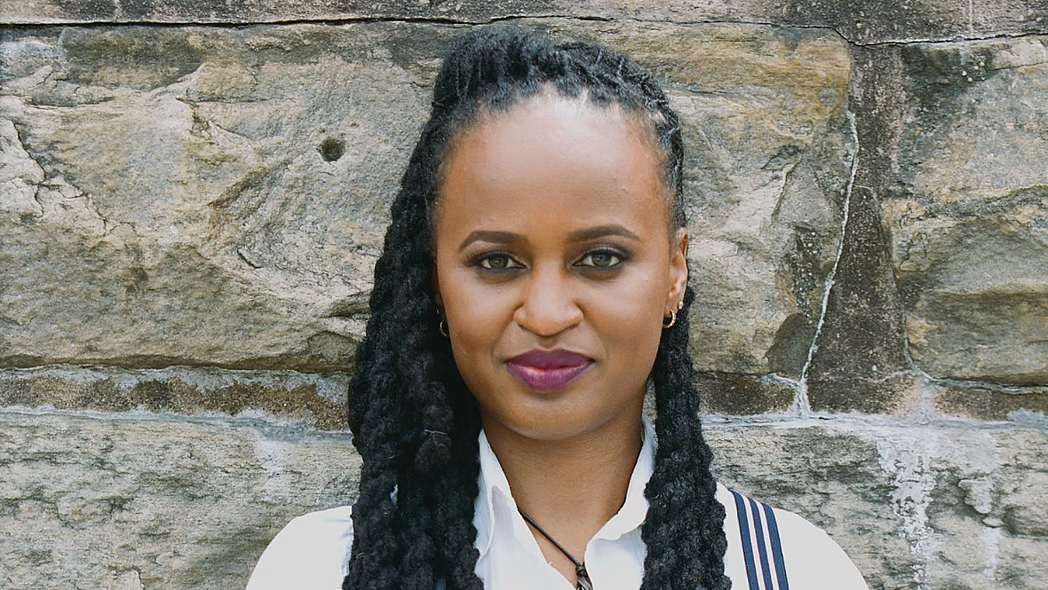
The webinar, co-sponsored by CFP, AJP, and JVP, will feature Rev. Naomi Washington-Leapheart, a member of CFP’s Theo-Politics committee, as well as Rev. Dr. Crystal Silva McCormick and Jonathan Brenneman from CFP’s national leadership team. The three will be discussing the often overlooked role Christian Zionism plays in U.S. politics. This would be a great webinar to share with people in your life who are new to these issues! Consider inviting a friend or family member who would be excited to learn more about CFP’s work.
We’ll also look at the shifting context we see unfolding across the U.S. as Christian Zionism receives renewed political and financial backing through Israeli and U.S. state partnerships with churches, media campaigns, and targeted outreach efforts. Churches are increasingly the focus of surveillance, tracking, and digital targeting, and select pastors are being recruited and trained as ambassadors for Israel. At the same time, significant cracks are widening within Christian communities — generational divides, theological debates, and growing numbers of people challenging the ways faith is being co-opted by empires to perpetuate state violence. Please join us!
A message from Will O’Brien of the Alternative Seminary in Philly.
AN ONLINE COURSE Thursday evenings, 7:00 – 9:00 pm February 26 – March 26, 2026
We are witnessing a daily barrage of oppressive violence, virulent racism, and increasing authoritarianism in the United States. Tragically, much of it is supported by a perverse Christian nationalism.
We cry out for healing – but what is the healing we need? How does this moment of societal crisis and vulnerability force us to ask deeper questions about who we are and what kind of world we need? And how do we engage in self-healing practices?
For five weeks, we will explore together several Gospel accounts of Jesus’ healings, reflecting on how these stories speak to the moment we live in. We will consider how they are challenging us to be faithful and build the Beloved Community in these harsh times.
This course will be co-facilitated by Will O’Brien. Will is coordinator of The Alternative Seminary and a member of the Vine & Fig Tree community in Philadelphia.
The cost for this course will be $100 (or whatever you can afford).
If you have any questions, please contact Will O’Brien at willobrien59@gmail.com or 267-339-8989
The Alternative Seminary is a program of biblical and theological study and reflection designed to foster an authentic biblical witness in the modern world.
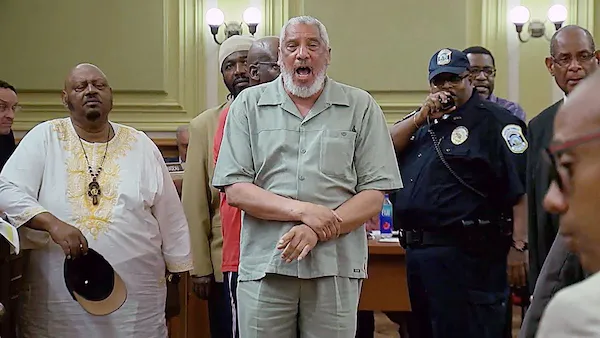
By Reverend Graylan Scott Hagler (above), Director & Chief Visionary, Faith Strategies, LLC
Don Lemon, a high profile personality was arrested on orders from US Attorney Pam Bondi, accusing him of violating the Federal Civil Rights of worshippers. Don Lemon, an independent journalist followed protesters into a church on January 18 to cover the event. The Trump administration known for its vindictiveness and with no love for the outspoken Lemon, who has expressed outrage over the policies and racism of the administration, felt obliged to make him an example. We have witnessed how these political rogues in the White House don’t hesitate to wield power in a punitive and targeted way. Arrested also were Trahern Jeen Crews, co-founder of Black Lives Matter in Minnesota, Jamael Lydell Lundy, and Georgia Fort. Each with high profiles in their own right. There were many other protesters and independent journalists that were in the church.
Pam Bondi wrote on X, “At my direction, early this morning federal agents arrested Don Lemon, in connection with the coordinated attack on Cities Church in St. Paul, Minnesota.” One of the church’s pastors, David Easterwood, heads the local ICE field office and given the high tensions and the killings of Renee Good and Alex Pretti, coupled with the unrestrained hostilities and overwhelming presence of DHS and other so-called law enforcement agencies was the reason this particular church was chosen. Department of Justice Assistant Attorney General Harmeet Dhillon posted on X that her investigation of Lemon and others have to do with these people “desecrating a house of worship and interfering with Christian worshippers.” The post went on to state, “A house of worship is not a public forum for your protest! It is a space protected from exactly such acts by federal criminal and civil laws!”

 Radical Discipleship