
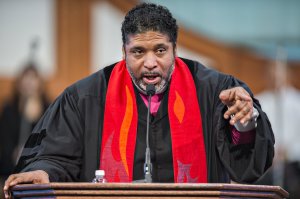
 An excerpt from Rev. William Barber’s “The Economy Doesn’t Work for Most Americans,” an article published in The Guardian this week.
One hundred and forty million poor and low-income people in America are a $400 emergency away from not being able to pay their bills next month. That’s 43.5% of the population in the world’s richest nation. While Democrats have championed the middle class and Republicans have promoted tax cuts and corporate welfare, poor people have not heard their names in American public life for the past 40 years, even as the gap between the rich and the poor has grown to levels of inequality we haven’t seen since before the Great Depression.
While both parties work to energize and mobilize their base, it is no accident that the single largest voting bloc in American politics is not those who voted Republican or Democrat in the last presidential election, but those who did not vote at all. Roughly 100 million Americans who were eligible to vote in 2016 didn’t cast a ballot. In 2018, while many celebrated a historic turnout for a midterm election, the numbers of those who didn’t participate were still higher.
 By Mark Van Steenwyk, the executive director of the
 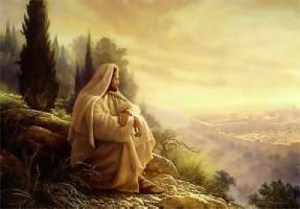 By Wes Howard-Brook and Sue Ferguson Johnson, on this week’s Gospel passage (Luke 9:51-62)
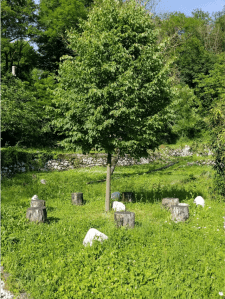 Third Sunday After Pentecost
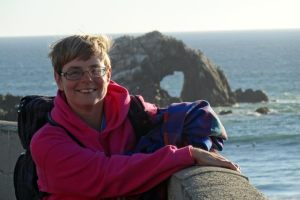 By Nichola Torbett
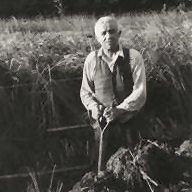 Another one of Peter Maurin’s legendary “
 By Steve Garnaas-Holmes (right), curator of
  By Wes Howard-Brook and Sue Ferguson Johnson, on this Sunday’s Gospel text (Luke 7:1-10)
 Pentecost 2C
 On June 21 Canadians celebrate National Indigenous Peoples Day and many churches observe a day of prayer. Rene Inkster reflects on the readings appointed for the Anglican Church.
 Radical Discipleship