A Logical Outgrowth

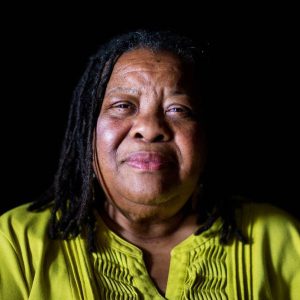
RubyAnother throw down from the front porch of Ruby Sales (originally https://www.facebook.com/plugins/post.php?href=https%3A%2F%2Fwww.facebook.com%2Fruby.sales.1%2Fposts%2F2390576024310162&width=500“>posted February 23, 2019):

What does it say about White Americans that they see Donald Trump as a viable candidate despite all of the spiritual decay and social rot gut that surround him. He degrades the office of the presidency with degrading, threatening and dehumanizing speech, conspires with Putin against his country to erode the pillars of democracy, upholds sexual and racial crimes and policies, film flams ordinary people and sells America to the highest bidders.

For White Americans to see Trump as a viable President and candidate is a problem in White culture that speaks volumes about the social death and spiritual nihilism that grip them. Moreover Trump is a logical outgrowth of hundreds of years of a culture of Whiteness where its guardians and beneficiaries have feasted and waxed fat not on only these malformations but on the lives, labor and bodies of Black and Brown peoples always and women sometimes.
We Talk, You Listen

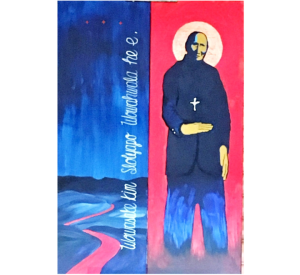
Black Elk
Icon of Black Elk by Rev. Bob Two Bulls

By Tommy Airey, co-editor of RadicalDiscipleship.Net

“Our arms are tired of troubling the waters for you. Do us a favor and trouble your own waters and receive healing.”–Jim Bear Jacobs, Thursday morning at the Bartimaeus Kinsler Institute

Yesterday, on my flight back to Detroit, I had a front row seat for a rather disturbing dialogue. A young man whose family owns a limo company in the suburbs was aghast at Rep. Rashida Tlaib (D-MI) who called out the director of Green Book for publicly praising the watch-and-bicycle-company Shinola for their role in “saving Detroit.” Then the young man proclaimed, “In my opinion, gentrification is really helping.” His passionate conversation partner, a white woman about my age, gasped, “Why can’t people just be happy?” Continue reading “We Talk, You Listen”

Wild Lectionary: Fully Human, Fully Divine, Fully Trans


frogBy Mary Ann Saunders

Exodus 34:29-35
Luke 9:28-43a

For me, as a trans woman, the Transfiguration feels deeply personal.

It’s not just that the word transfiguration simply means “a change of form”—which is something I know quite a bit about—nor is it simply that my experience and Jesus’ experience are consistent with the natural world. Creation, after all, is full of transfigurations: tadpoles become frogs, seeds become plants, some fish species change sex, caterpillars become butterflies (this last itself being a popular metaphor for gender transitions). We now even know that genetic information—supposedly immutable—can change over the course of our lives.

Continue reading “Wild Lectionary: Fully Human, Fully Divine, Fully Trans
”

Winter as Play and Delight

20181109_110011In January, over twenty women gathered for a Word and World weekend of rest and writing using winter as their guide and teacher. This is the last reflection offered which also gives some writing prompts. May it be company in these longer winter days.

By Lydia Wylie-Kellermann

As we begin this final morning together, I am holding all that we have carried and shared with one another. I am so grateful.

These words come to mind from Arundhati Roy who is an Indian author and activist.

“Our strategy should be not only to confront empire, but to lay siege to it. To deprive it of oxygen. To shame it. To mock it. With our art, our music, our literature, our stubbornness, our joy, our brilliance, our sheer relentlessness – and our ability to tell our own stories. Stories that are different from the ones we’re being brainwashed to believe.

The corporate revolution will collapse if we refuse to buy what they are selling – their ideas, their version of history, their wars, their weapons, their notion of inevitability.

Remember this: We be many and they be few. They need us more than we need them.

Another world is not only possible, she is on her way. On a quiet day, I can hear her breathing.”

Continue reading “Winter as Play and Delight”

Questions for Christian America From Your Sibling in Christ

immigration
By Julia Jack-Scott

By Liza Neal

“Do you think they will believe me?”
He asked with desperation, scars visible and invisible.
How do I answer such a question?
“I don’t know.”

“Do you think they will separate me from my child?”
She asked clutching her sleeping 2 year old.
How do I answer such a question?
“I don’t know.” Continue reading “Questions for Christian America From Your Sibling in Christ”

Like a Radish

Screen Shot 2019-02-06 at 9.39.24 AMBy Kyle Mitchell

*This is the ninth installation of a year-long series of posts from contributors all over North America each answering the question, “How would you define radical discipleship?” We will be posting responses regularly on Mondays during 2019.

The word discipleship reminds me that the way of the Jewish rabbi named Jesus is grounded in a posture of discipline and learning. For those of us whose native religious tongue is Jesus language, discipleship is the main way that we express our faith in the world. We never “arrive”, but are always growing, maturing, discerning, listening, and learning. We make the road by walking. Continue reading “Like a Radish”

Until They Became Landless Non-Citizens

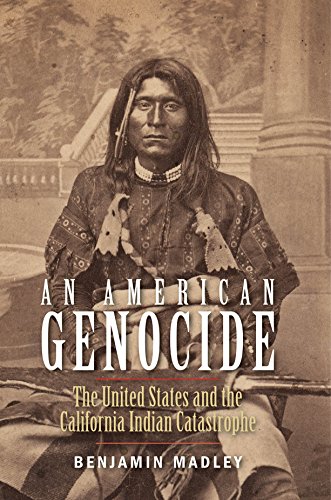
MadleyFrom Benjamin Madley’s An American Genocide: The United States and the California Indian Catastrophe, 1846-1873, quoted early and often at last week’s Bartimaeus Kinsler Institute in Southern California.

…federal lawmakers expelled California Indians from mainstream colonial California society and relegated them to a shadowy legal and social status between man and beast. This was not preordained. In each phase of legislation, anti-Indian views prevailed over more sympathetic voices, each time pushing Indians farther beyond the bounds of citizenship and community. Through a succession of laws, legislators slowly denied California Indians membership in the body politic until they became landless non-citizens, with few legal rights and almost no legal control over their own bodies. Indians became, for many Anglo-Americans, nonhumans. This legal exclusion of California Indians from California society was a crucial enabler of mass murder.

Book Recs from Professor Kendi

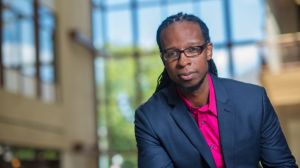
KendiFrom a Bill Moyers interview with Ibram X. Kendi, the author of Stamped From The Beginning: The Definitive History of Racist Ideas in America (2017). Kendi was asked what five books should be mandatory reading (once readers were done with his book). 

I think that it really depends on what they’re interested in. But I think books that are critical in understanding the popular sort of discussions that we’re having now that have to do with race injustice. Of course, there is Bryan Stevenson’s Just Mercy, which I think really takes the reader through understanding how much of a problem the death penalty is, how much of a black problem it is, and how virulently racist the policies and operators are within that — in Alabama and other places. Continue reading “Book Recs from Professor Kendi”

A Vision

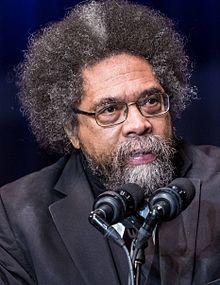
CornelAn excerpt from The Sun Magazine’s interview with Dr. Cornel West.

Fluidity doesn’t necessarily mean subversion. You can be highly fluid and just come up with creative ways of adjusting to or reproducing the status quo. Fluidity and flexibility are important, but to transform society you need more than that. You need a vision. You need a different way of looking at the world. That’s where the Hebrew prophets and the legacy of Jerusalem come in. The words of Isaiah, Micah, and others authorized an alternative vision of the world. Continue reading “A Vision”

Wild Lectionary: Whose Power and What For?

52474426_1163536123802532_4269623067648458752_n

7th Sunday After Epiphany
Genesis 45:3-11, 15

By Rev. Miriam Spies

Some commentators read this passage as a moment of reconciliation and forgiveness between family…or a story of redistributing food and wealth based on need, but the misuse of power and thinking we know the mind of God has harmful effects for Joseph’s family and for generations of people to come.

Continue reading “Wild Lectionary: Whose Power and What For?”