From our comrades at the Alternative Seminary in Philly…just in time for Advent:
In an age of Trumpism, can we liberate Christmas from its cultural captivity and rediscover the truly prophetic story that speaks to the crises of our world today?
Peace on Earth and the Politics of Christmas
Saturday morning, December 8
9:30 – 11:30 a.m.
Project HOME, 1515 Fairmount Avenue
Much of the Christian church in the United States has been co-opted by an American gospel of prosperity, racism, violence, and militant nationalism. The celebration of Christmas is a victim of that co-optation: It is often wrapped in innocent, feel-good, Hallmark-card imagery. But in fact the biblical texts describing the coming of Jesus are making powerful assertions about the politics of the Bible that speak very much to our contemporary global crises. We will reflect on the “nativity narratives” in the Gospels of Matthew and Luke to see how they express core biblical themes of justice and liberation. We will try to “un-domesticate” these tales of liberation and reflect on how they are truly challenging us in terms of our allegiance and our discipleship. A perfect event for Advent. A light breakfast will be served. A $5 donation is requested to cover costs.
If you are interested in participating, please contact Will O’Brien at (215) 842-1790 or wobrien@alternativeseminary.net by December 5.
The Alternative Seminary is a program of biblical and theological study and reflection designed to foster an authentic biblical witness in the modern world. For more information, see http://www.alternativeseminary.net.


 This piece was developed during the third Bartimaeus Institute Online (BIO) Study Cohort 2017-2018. These pieces will eventually be published in a Women’s Breviary collection. For more information regarding the BIO Study Cohort go
 By Lydia Wylie-Kellermann
 By Kim Redigan, an Advent reflection on Luke 21:25-28, 34-36 for the Faith Outreach Committee of the People’s Water Board (Detroit, MI)
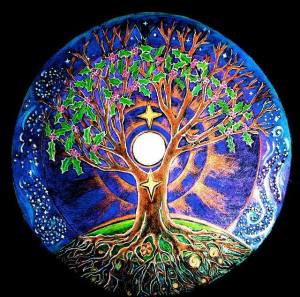 Advent Week 1 – December 2 – 8
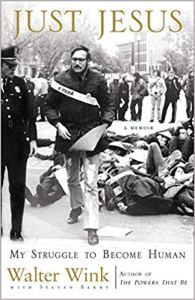 From Walter Wink in
  By Tommy Airey
