Ecological Grief

Iceland-8725
PC: Michael Raymond Smith (www.michaelraymondsmith.com)

From the conclusion of “Hope and mourning in the Anthropocene: Understanding ecological grief” by Neville Ellis and Ashlee Cunsulo in The Conversation.  Ellis and Cunsulo define ecological grief as “The grief felt in relation to experienced or anticipated ecological losses, including the loss of species, ecosystems, and meaningful landscapes due to acute or chronic environmental change.”

Ecological grief reminds us that climate change is not just some abstract scientific concept or a distant environmental problem. Rather, it draws our attention to the personally experienced emotional and psychological losses suffered when there are changes or deaths in the natural world. In doing so, ecological grief also illuminates the ways in which more-than-humans are integral to our mental wellness, our communities, our cultures, and for our ability to thrive in a human-dominated world. Continue reading “Ecological Grief” →
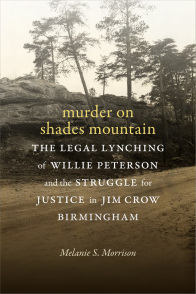
Murder on Shades Mountain

cover-mosm_3-18.jpgBy Joyce Hollyday

Last Thursday in Montgomery, Alabama, the Equal Justice Initiative opened its museum dedicated to racial equality, at the heart of which is a profoundly powerful memorial to the more than 4,400 African-Americans who were lynched in this country between the Civil War and World War II. Three days later Melanie Morrison made a visit to Western North Carolina, reminding us that not all such acts of terrorism and brutality were carried out by white mobs under trees and the cover of darkness. Some were perpetrated in courtrooms in broad daylight. Continue reading “Murder on Shades Mountain” →

Wild Lectionary: Proverbial Shelter

Greenhouse aftermath.jpg
Greenhouse where the author works, after Hurricane Irma

Pentecost B
Acts 2:1-21
Proverbs 9:8

By Andrew Hudson

Salvation. I imagine my educated friends skating over the term in today’s reading. After all, Pentecost is an incredible story about harmony in diversity. That is an important theme, and one most educated folks are eager to pick up in these troubled times. Let’s find a way to have that kind of unity, they say.

Continue reading “Wild Lectionary: Proverbial Shelter” →

Graffitis, Curses and Inscriptions

ParisNext week marks the 50th anniversary of the volatile period of civil unrest in Paris during May 1968, punctuated by demonstrations and massive general strikes, as well as the occupation of universities and factories across France. The unrest began with a series of student occupation protests against capitalism, consumerism, American imperialism and traditional institutions, values and order. These are some “graffitis, curses and inscriptions of May 1968” from a [free] little book called Boredom Weeps published May 1, 2018 by Black Ink and Interference Archive.

Hijack life then rewrite its user’s manual.

Talk to your neighbors.

Patriotism rhymes with Fascism. Continue reading “Graffitis, Curses and Inscriptions” →

They’ll Return Week After Week

PPC, MassachusettsYesterday, more than a thousand people of faith and conscience were arrested nation-wide in acts of civil disobedience in front of state capital buildings.  The Poor People’s Campaign has returned and will continue for forty days.  It’s not too late to join up and throw in with this movement that comes with specific demands for lawmakers: federal and state minimum wage laws “commensurate for the 21st century economy”, relief from student-loan debt, a repeal of the 2017 GOP tax cuts legislation, restoration of the Voting Rights Act, an end to mass incarceration, a fracking ban, protection of public lands, a cessation of US military involvement and universal healthcare.

This is from co-director Liz Theoharis on Democracy Now yesterday:

…in almost 40 states across this country, there are people, impacted folks, poor people, who are taking action together. And we were in Marks, Mississippi. We were in Lowndes County, Alabama. We were in El Paso, Texas. We have traveled around this country, because this campaign is a deep organizing drive amongst people who need to have their voices heard, need their stories to be told, so that we hear that there are 140 million poor people in this country, that in this country there are 38 million poor children. Almost half of this country’s children are poor. And this is unacceptable. And so, people are taking action together, and not just today, but they are deep-dive organizing in their communities. They’ll return, week after week, for this 40 days and into the future, as we build a deep moral movement to turn this country around.

Resurrecting Ancient Wisdom & Worldview

1491By Randy Woodley, re-posted with permission from the Ethnic Space and Faith blog

There are stark differences between the worldviews of Indigenous peoples and those whose worldviews developed with the influence of Western Europe. The “age of discovery” brought the Europeans to our Indigenous shores. Many of those theologians and discoverers attributed their discoveries to God and then immediately acted in the most ungodly manner. I am willing to concede that the Creator had a hand in the meeting of the two worlds but I think it has been largely misinterpreted by the Western nations and Western religious bodies. These so called “discoveries” created not only wealth by extraction in previously co-sustained Indigenous lands, labor and resources, but they also created perverted national myths and twisted theological accounts of conquest. These myths have continued to be told time and time again, and with each generation they are reified, built upon and codified into our society’s collective mythologies and memories. Continue reading “Resurrecting Ancient Wisdom & Worldview” →

Entertainment for Angels

GuatemalaBy Tommy Airey

Detroit, Michigan

“…because You have hidden these things from the wise and learned, and revealed them to little children.”—Matthew 11:25b

“This pedagogy makes oppression and its causes objects of reflection by the oppressed, and from that reflection will come their necessary engagement in the struggle for their liberation.”–Paolo Freire, The Pedagogy of the Oppressed (1972)

Many episodes from the biblical script star the widow, the orphan and the immigrant as a sacred Trinity of sorts. The God known as Steadfast Love consistently compels those who bear the Name to never shame nor blame these three. In fact, in these three, Steadfast Love covenants Herself to Justice, promising to be a swift witness against anyone who oppresses or swears falsely against them.  If one’s theology still makes room for hell, this litmus test ought to be included. Continue reading “Entertainment for Angels” →

Wild Lectionary: Planted and Watered

IMG_4260.JPG
Author with Forest School Students

Easter 7(B)
Psalm 1

By Laurel Dykstra

Happy are those who do not follow the advice of the wicked, or take the path that sinners tread, or sit in the seat of scoffers; but their delight is in the law of the LORD, and on his law they meditate day and night. They are like trees planted by streams of water, which yield their fruit in its season, and their leaves do not wither. In all that they do, they prosper.

The image of large well-watered trees growing larger is used in scripture as a symbol of human prosperity, abundance, and flourishing for individuals (Psalm 92:12-13) and nations (Ezekiel 31). Often the type of tree is unnamed but a significant number are cedars. In an arid landscape shade as a luxury, an association amplified by the biblical equation of cedar wood with wealth. Continue reading “Wild Lectionary: Planted and Watered” →