
 By Heather Robertson-Ross, Salal and Cedar
The earth is yours, oh Divine Creator, and everything in it. You have made us stewards of your creation so that it may nourish us, clothe us, shelter us, and heal us. Your wisdom lives in it, and communicates to us if only our ears are open to hear, and are hearts are able to discern. Your wisdom and ever present spirit nourishes us, like the clear stream nourishes the trees at her banks, so that we might produce good fruits of the spirit to nourish other. Continue reading “Prayers of the People”
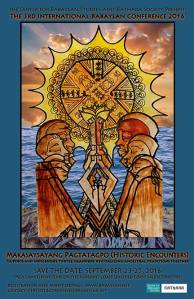 Excerpt from Lily Mendoza’s keynote at the recently concluded
  From
From  By Daniel Berrigan
 Born May 14, 1907, Died April 14, 1964
  By Wes Howard-Brook and Sue Ferguson Johnson
 Some highlights from Krista Tippett’s recent
  By Keith Magee, Director, Social Justice Institute and Scholar in Residence at Elie Wiesel Center, Boston University
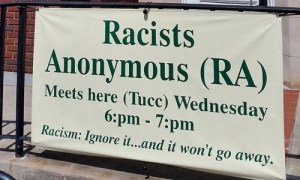 Every Wednesday,
  An Open Letter To The Diocese of Hamilton, ON
 Radical Discipleship