Thanks to Ken Sehested’s Prayer & Politiks site for this inspiration:


Thanks to Ken Sehested’s Prayer & Politiks site for this inspiration:
The heart of man can be full of so much pain, even when things are
exteriorly “all right”. It becomes all the more difficult because
today we are used to thinking that there are explanations for
everything. But there is no explanation of most of what goes on in our own hearts, and we cannot account for it all. No use resorting to the kind of mental tranquilizers that even religious explanations
sometimes offer. Faith must be deeper than that, rooted in the unknown and in the abyss of darkness that is the ground of our being. No use teasing the darkness to try to make answers grow out of it. But if we learn how to have a deep inner patience, things solve themselves, or God solves them if you prefer: but do not expect to see how. Just learn to wait, and do what you can and help other people. Often it is in helping someone else we find the best way to bear our own trouble.
— Thomas Merton from his Christmas letter, 1966
 By Joyce Hollyday
A frigid wind sent snow dancing and swirling through the streets of Washington, DC, that Christmas Eve. Shopping carts and paper bags loaded with years’ worth of collected string, cans, broken umbrellas, and other street items had been dragged in out of the cold and were parked in the foyer of the church that served as an overnight shelter. The women who owned them were finishing a dinner of soup and bread, made special by dozens of sugar cookies that had been baked and decorated by the church’s children. Continue reading “An Upside Down World”
 By Wes Howard-Brook and Sue Ferguson Johnson, commentary on readings for the First Sunday after Christmas
Note: This is part of a series of Wes & Sue’s occasional comments on the Lukan gospel readings from the Revised Common Lectionary during year C, 2015-16.
Christmas carols continue to echo around and within us, but Sunday’s Gospel from Luke has Jesus already nearly grown. Only Luke provides any glimpse of Jesus’ childhood. This tantalizing scene, though, offers many hints for how the adult Jesus will subvert both the expectations of his Roman audience and of those hearers who, so far, may be expecting Jesus to become a warrior “messiah like David” (1.32, 69; 2.11).
Continue reading “Ongoing Direct Encounter”

Well, a mess indeed and Joseph
no fool to think twice before
saying yea. Thereafter,
in the early morning, hearing
a voice from yon olive grove
singing loud as a songbird
born of revolution: “God
hath scattered the proud
in the imagination of their
hearts. Hath put down the
mighty from their seats, and
exalted them of low degree.
Hath filled the hungry with
good things; and sent the rich
empty away” the carpenter
shook his head only once,
believing then the angel,
and declared (in the old style)
“She hath incited a riot in
my heart and I shall ne’er let
this maiden depart from my sight
as long as we both shall live –
or first comes the kingdom
upon this earth.” And so
it was. Thanks be to God.
 By Lydia Wylie-Kellermann
Reflection written up from a homily given at St. Peter’s Episcopal Detroit on December 20, 2015.
Luke 1: 39-56
I wonder about the beginning of this reading. “Mary went with haste….” It seems like there are three possibilities for this. First is that she was so excited and filled with anticipation that she fled to a friend she loved. I think this is our most common interpretation. But I think it more likely the second or third possibility. Either she was sent away out of shame and embarrassment for three months. Or as I did more reading, it seems likely that being pregnant and not married with her status was actually cause for being stoned to death. She may have been fleeing for her life. Continue reading “Mary and Elizabeth”
Check out his website and twitter feed, to see more of the subversive artwork of Josh Begley:
Dronestream: Real-time and historical data about every reported United States drone strike. Continue reading “The Art of Josh Begley”
 By Eliisa Bojanic
Reflections on being a privileged white American in a starving world (real talk edition:)
“What exactly are you doing?” I ask myself often. Why is everything going so wrong around me? What am I doing here? Why do I have so much while others have so little? Why is it possible for me to walk down the street with an iPhone in my hand that costs enough (if bought in this country) to feed a family for a year, while I kneel down to give 100 pesos to the woman begging outside of my school. 100 pesos. 100 pesos. That’s $2.25 give or take. It will feed her all day. But the food will not be nutritious. It will be rice and meat cooked in oils and fats that could and will eventually destroy her body. Fresh food after all is for the rich. But then she was never even given an opportunity to know what coronary artery disease is, or how the poison of this world will kill so many.
Continue reading “Enough”
 By Joyce Rupp
Begin again, again, and again,
deliberately, with intention, each day
opening the heart’s door, seeking to invite
with the divine companion, eager to abide with us.
Stop squirming.
Release clinging.
Let go of the binding chains to self-willed ways. Continue reading “Keeping the Vigil of Mystery”
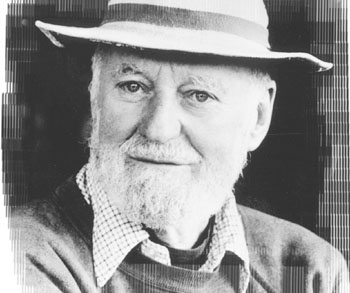 by Lawrence Ferlinghetti
I am waiting for my case to come up
and I am waiting for a rebirth of wonder
and I am waiting for someone to really discover America and wail
and I am waiting for the American Eagle to really spread its wings
and straighten up and fly right
and I am waiting for the Age of Anxiety to drop dead
and I am waiting for the war to be fought which will make the world safe for anarchy
and I am waiting for the final withering away of all governments
and I am perpetually awaiting a rebirth of wonder Continue reading “I AM Waiting”
 Radical Discipleship