
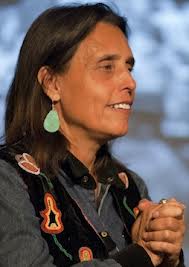
 “Someone needs to explain to me why wanting clean water makes you an activists. And why proposing to destroy water with chemical warfare doesn’t make a corporation a terrorist.” Winona LaDuke
Between The World & Me: A Review
 By Tommy Airey
The mettle that it takes to look away from the horror of our prison system, from police forces transformed into armies, from the long war against the black body, is not forged overnight. This is the practiced habit of jabbing out one’s eyes and forgetting the work of one’s hands. To acknowledge these horrors means turning away from the brightly rendered version of your country as it has always declared itself and turning toward something murkier and unknown.
Ta-Nehisi Coates, Between The World & Me (2015)
Ta-Nehisi Coates, a national correspondent for the The Atlantic, received numerous awards last year for his ground-breaking cover story, “The Case for Reparations.” His much-anticipated Between The World & Me is a 152-page letter to his 15-year old son in the grievous aftermath of the Michael Brown non-indictment.
Continue reading “Between The World & Me: A Review”
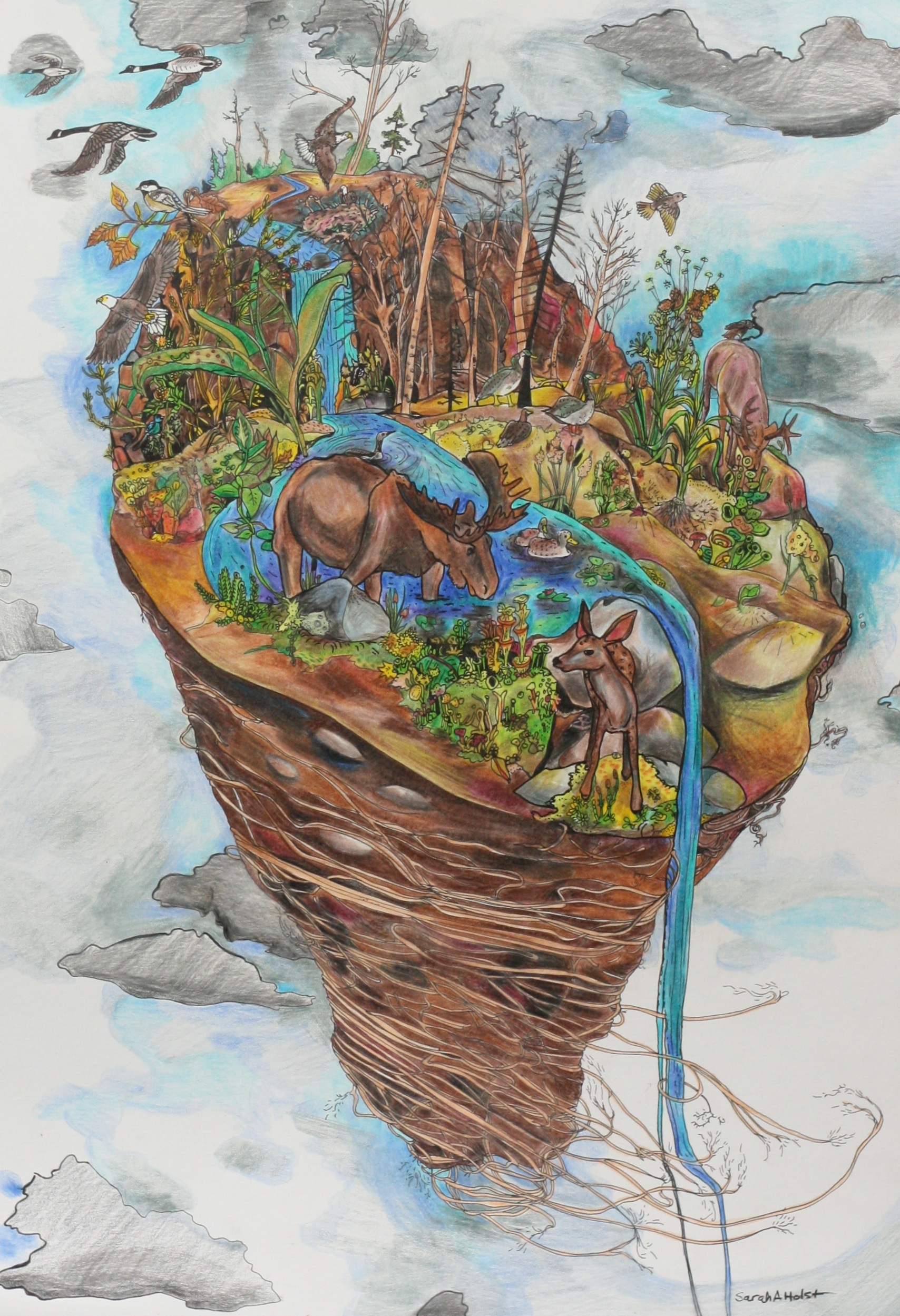
Lake Superior Watershed in early spring
A little homage to my new place. By Sarah Holst
A Covenant of Land & Waters
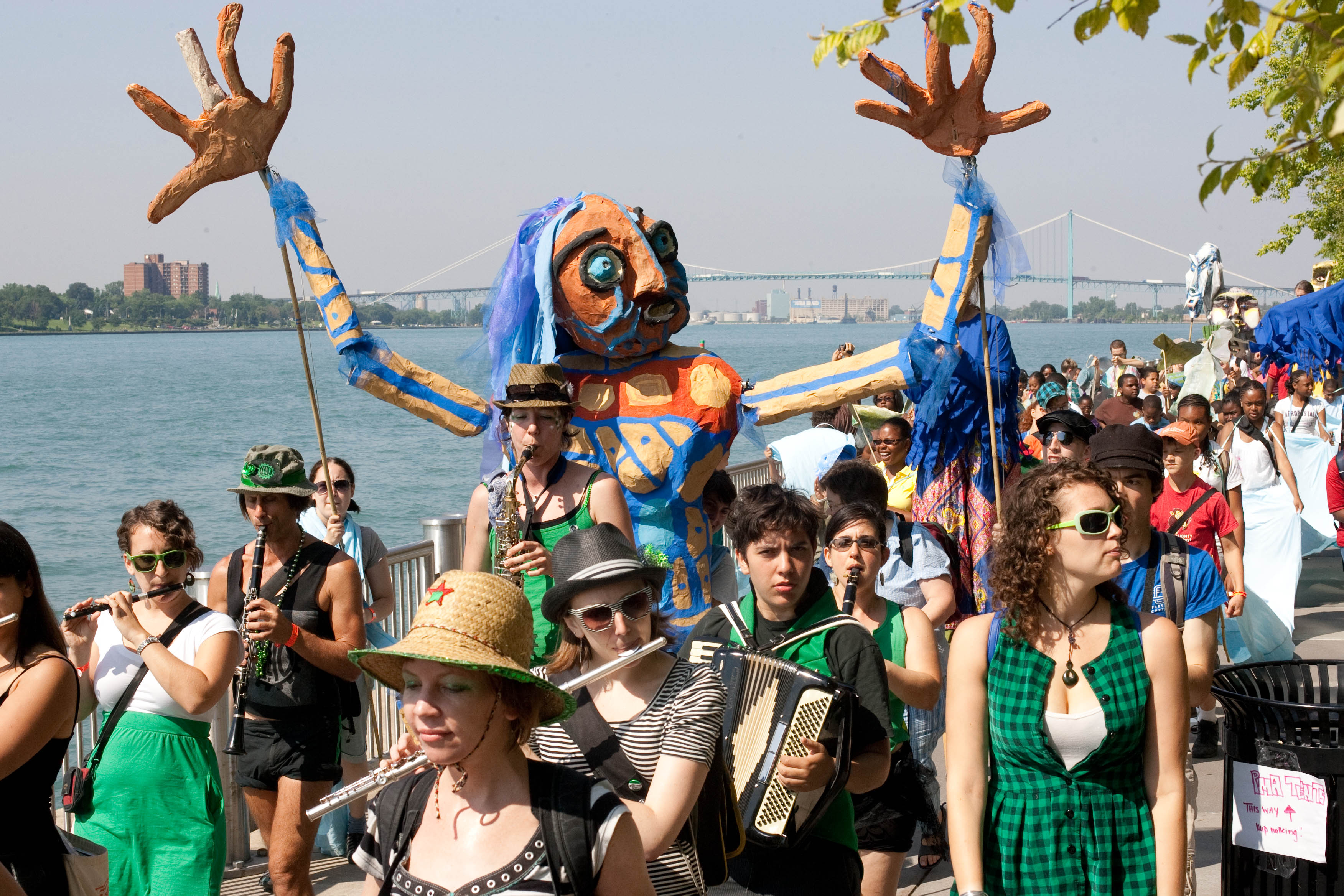 By Bill Wylie-Kellermann
Come spring and then through summer and fall, we used to take our daughters for regular walks in Elmwood Cemetery on the near east side of Detroit. A favorite photo has them looking up in sun, caught in delight. This European burial ground is the last surviving bit of pre-Columbian terrain in the city. All the remaining earth has been cleared and graded and leveled first as farmland, then paved as urban built environment. This is not to say it’s old growth forest (that wood is long hauled off and the transplants tended into a canopy of stately beauties) but the land has rocky outcrops, ridges, rills, and a stream that emerges from underground to pool before slipping back beneath the street toward the river.
Continue reading “A Covenant of Land & Waters”
A Psalm for Probating an Estate
 Rose Marie Berger, a Catholic peace activist and poet, is a senior associate editor at Sojourners magazine.
Note: Our outgoing interns led worship this week at Sojourners. They invited us to write a psalm to share. I had just returned from D.C. Probate Court where I filed the final papers for my friend and co-worker Elizabeth Palmberg’s estate. Zab died on June 23, 2014. This is the psalm that came out.
for Zab Palmberg
O God, Thou art Creator and Destroyer.
You exhale and we are made to live;
You inhale and we are returned to You.
You plant us like a seed
Continue reading “A Psalm for Probating an Estate”
Regret
 By Ric Hudgens, organic pastor, soul activist, fire poet
On one of those last days together
rushing through one station to another
trying to catch a departed train
you saw the small perplexed pigeon
squatting in the passageway,
commuters veering round it
left and right. Tugging at my sleeve
to stop, I hurried you on with
forceful pace, rolling eyes, my
damn condescending smile,
and you just let it go, said
I was right, you were frivolous,
immature, nothing could be done.
It is some time ago now still
I dash through this familiar tunnel
every day too late for something
but alert for that bird and one
more chance to redeem myself.
Expect The Desert
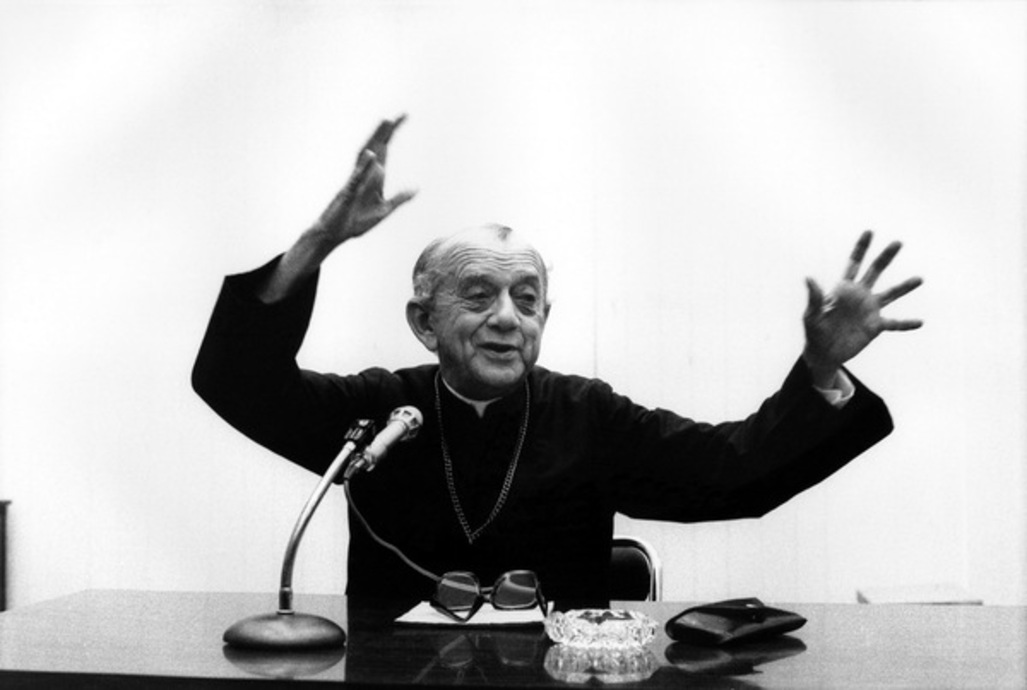 From Dom Helder Camara (February 7, 1909 – August 27, 1999), Catholic archbishop of Recife, Brazil:
We must have no illusions. We shall not walk on roses, people will not throng to hear us and applaud, and we shall not always be aware of divine protection. If we are to be pilgrims for justice and peace, we must expect the desert.
Dom Helder Camara: ¡Presente!
Be Still
“Be still and know that I am God.” -Psalm 46:10
The Source of Joy Can Change
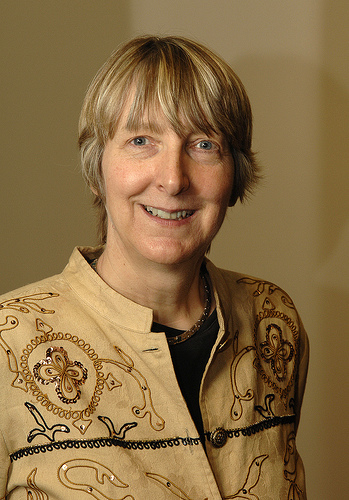 This is the last question and answer of James Wilt’s interview with Carol Adams, the author of the vegetarian and feminist classic The Sexual Politics of Meat (1990) in the current issue of Geez Magazine:
You make it clear in Sexual Politics that you’re a cultural worker, not an academic. You’ve been involved in advocating for and helping battered women and involved in animal rights for many decades. What keeps you grounded, from getting depressed, or anxious, or saying it’s not worth it in the end?
There’s a quote from Susan B. Anthony about how she always had great company. She wasn’t doing it alone. Václav Havel said we have to do what we’re doing to change the world not because we know that we’ll prevail, but because it’s the right thing to do. We can’t measure success by some sort of end goal. We have to simply subsume ourselves in the process of it. I think that ties into an ecofeminist philosophy.
Continue reading “The Source of Joy Can Change”
Some Things We’ve Learned
 This past weekend was the Detroit Spirit and Roots Gathering. Over the next few weeks we will post some reflections from the weekend. This event began with the idea from Word and World to host a Land and Water School in Detroit. Over almost two years of plannings and conversations, it shifted into a collaborative event called Detroit Spirit and Roots. This was a process with lots of struggle and learning along the way. This document is a list of things we learned in that process which we used as part of our framework for the event.
“Some Things that We have Learned”
Detroit Spirit & Roots Gathering
Summer 2015
The Local Committee has agreed that this will be the framework that will guide our participation in DSR
What are the spiritual resources that our movement needs? Continue reading “Some Things We’ve Learned”
 Radical Discipleship