
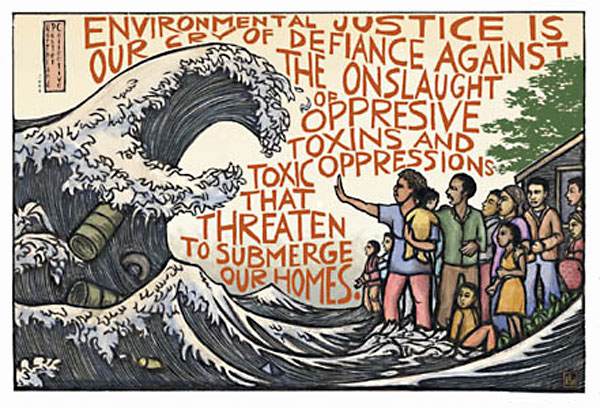
 Delegates to the First National People of Color Environmental Leadership Summit held on October 24-27, 1991, in Washington DC, drafted and adopted 17 principles of Environmental Justice. Since then, The Principles have served as a defining document for the growing grassroots movement for environmental justice. Continue reading “Principles of Environmental Justice”
50 Years Since…Malcolm
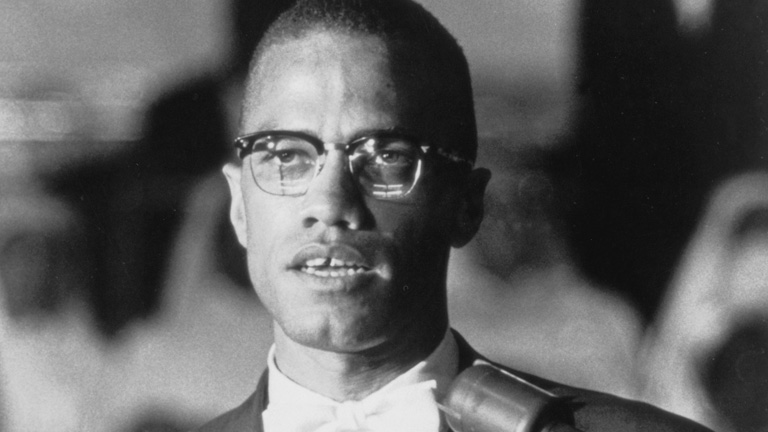 If you’re not careful, the newspapers will have you hating the people who are being oppressed, and loving the people who are doing the oppressing.
Malcolm X (May 19, 1925 – February 21, 1965)
————- Continue reading “50 Years Since…Malcolm”
Stories
 From Rebecca Solnit in The Faraway Nearby (2014):
We think we tell stories, but stories often tell us, tell us to love or hate, to see or be seen. Often, too often, stories saddle us, ride us, whip us onward, tell us what to do, and we do it without questioning. The task of learning to be free requires learning to hear them, to question them, to pause and hear silence, to name them, and then become a story-teller.
Wonders and realities of the universe
“The more clearly we can focus our attention on the wonders and realities of the universe, the less taste we shall have for destruction.”
― Rachel Carson

Watershed Discipleship: Covenanted Right Relationship by Todd Wynward
 Todd Wynward writes, farms, teaches and leads wilderness trips in northern NM. He is an animating force behind TiLT, an intentional discipleship co-housing community in the Rio Grande Watershed. His new book, Rewilding the Way, is to be published by Herald Press in 2015.
—————-
There is a covenant that undergirds our lives. Like a watershed, it’s about blessings, it’s about relationships, and it’s about limits. Much of the time, we oh-so-independent, uber-mobile North Americans forget this covenant we have with creation. We who suffer from the disease of affluenza tell ourselves we’ve earned the benefits we receive; we think it our God-given right to acquire whatever we want, whenever we want, from wherever we want, without reflecting on the real cost.
Continue reading “Watershed Discipleship: Covenanted Right Relationship by Todd Wynward”
Jesus On A Vision Quest
 By Ched Myers, First Sunday in Lent (Mark 1:9-15)
Note: This is an ongoing occasional series of Ched’s brief comments on the Markan gospel readings from the Revised Common Lectionary during year B.
———————
In Mark’s account of Jesus’ baptism, the narrative is suddenly invaded by dramatic imagery. Jesus rises from Jordan’s waters to a vision of the “heavens rent asunder” (1:10). This is an allusion to Isaiah 64:1f:
Continue reading “Jesus On A Vision Quest”
Full Frontal Prophetic Nudity
 By Tommy Airey
For this I will lament and wail;
I will go barefoot and naked;
I will make lamentation like the jackals,
and mourning like the ostriches.
Micah 1:8
If you do not tell the truth about yourself you cannot tell it about other people.
Virginia Woolf
*This is the first in a series of seven pieces on Micah posted every Wednesday during Lent.
——————
Like us, Micah was living during imperial catastrophe and, like us, the reasons for the destruction and dysfunction were contested. In this prophetic leaflet, what Dan Berrigan calls “a torrid, icy mix of threat and promise,” Micah does what prophets do: he comforts the afflicted and afflicts the comfortable in pointed, specific ways. To reclaim a phrase from the Religious Right who hijacked it from Gandhi who resurrected it from Augustine: “He loves the sinner, but hates the sin.”
Continue reading “Full Frontal Prophetic Nudity”
Pope Francis: What is your Capacity to Cry?

Pope Francis’ press conference on the plane returning from the Philippines was lively as usual. Regarding the Charlie Hebdo murders, he elaborated on the nuances of “freedom of expression” tempered by the virtue of prudence. He also expanded his comments on “responsible parenthood” and what it means for Catholics today. As always, he set the “birth control” issue in the wider context of certain prevailing spirits of the age, in this case Neo-Malthusianism (whaaaa?): population control that is enforced or overly encouraged by governments or corporations.
However, what jumped out to me was his response to a question by La Nacion’s Elisabetta Pique:
Elisabetta Pique (La Nacion): … This was a moving voyage for everyone. We saw people crying the entire time in Tacloban [Philippines site of the Supertyphoon Haiyan], even we journalists cried. Yesterday you said, the world needs to cry. … What was for you the most moving moment, because the mass in Tacloban was such a moment and also yesterday when the little girl started to cry?
Continue reading “Pope Francis: What is your Capacity to Cry?”
Monday In B-Flat by Amiri Baraka
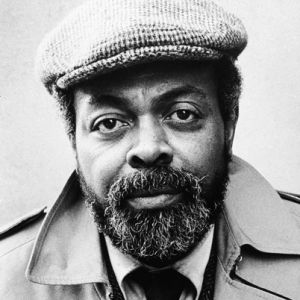
I can pray
all day
& God
wont come.
But if I call
911
The Devil
Be herein a minute!
The Solidarity of the Crucified
 From Miroslav Volf in Exclusion and Embrace: A Theological Exploration of Identity, Otherness, and Reconciliation (1996):
All sufferers can find comfort in the solidarity of the Crucified; but only those who struggle against evil by following the example of the Crucified will discover him at their side. To claim the comfort of the Crucified while rejecting his way is to advocate not only cheap grace but a deceitful ideology.
 Radical Discipleship