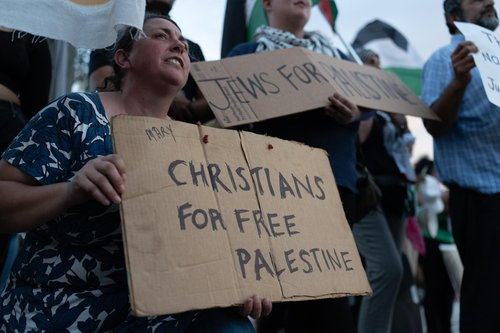
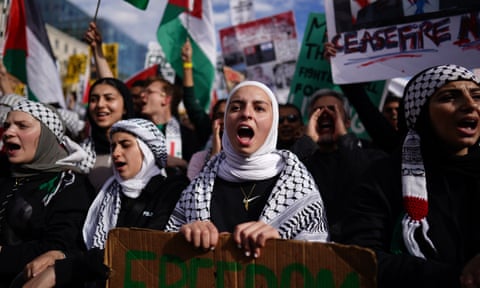
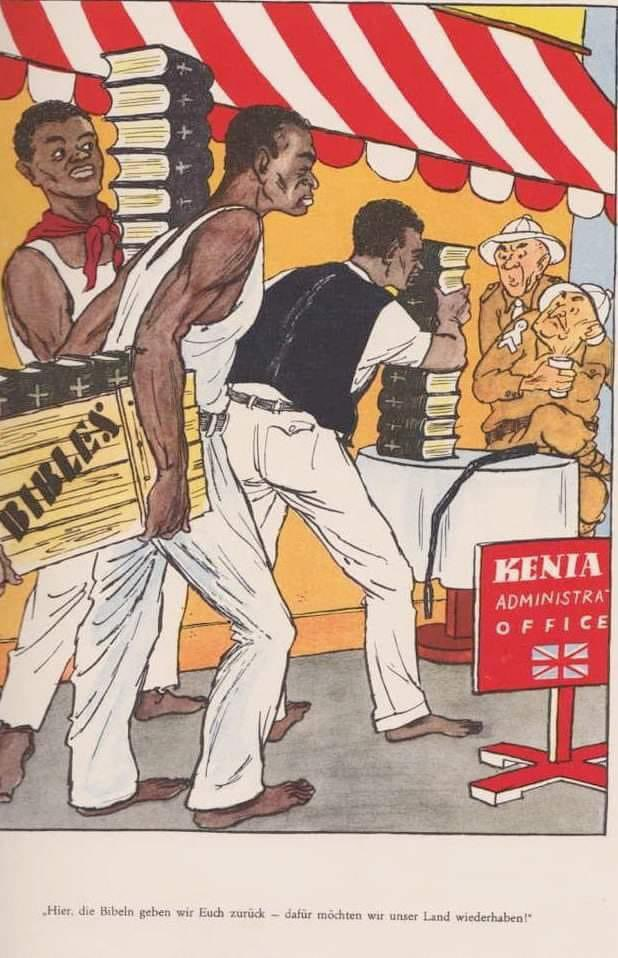
Every Good Friday, a motley crew of radical disciples walks the streets of Detroit with a large, awkward wooden cross. They stop at “stations” where life is being crucified in the city. This year, these Detroiters are homing in on the image of rubble. Empire is bombing Gaza. Empire is bulldozing ghettos. It’s part of a settler-colonial supremacy story that seizes land for wealthy and powerful elites. Ad agencies and mainstream media and political parties – and, yes, Christian churches – play their part in hiding the collateral damage. As Palestinian pastor Munther Isaac proclaimed in his viral Christmas sermon, the crucified are buried under the rubble. Christians are called to join Jesus in there. To work. To bear witness. To worship. As we wait expectantly for Something Else to resurrect the dead and discarded into newness of life. The post below is the introduction to Detroit’s Good Friday Stations of the Cross Walk. [artwork above: Lucia Wylie-Eggert]
For more than forty years, we have placed a wooden cross against the brick wall on the backside of the Manna Meal soup kitchen. We pass the booklets, ring the gong, raise our voices, and read these words. Then we walk. Together. On this journey of repentance. A word in the ancient context that referred to a soldier switching sides during a battle.
We walk the streets of Detroit asking:
Where is Christ crucified today – and what does it mean for us to repent, to switch sides and join him in the rubble created by empire?
Each year our route is different and distinct. The faces of victims and executioners rise up to us from a particular time and place. The imperial powers that we recognize today are the same and not the same as before – and they are all threaded together, entangling us in a settler-colonial web of death and domination. We name them again. We name them anew.
Continue reading “Carrying the Cross towards the Rubble”