
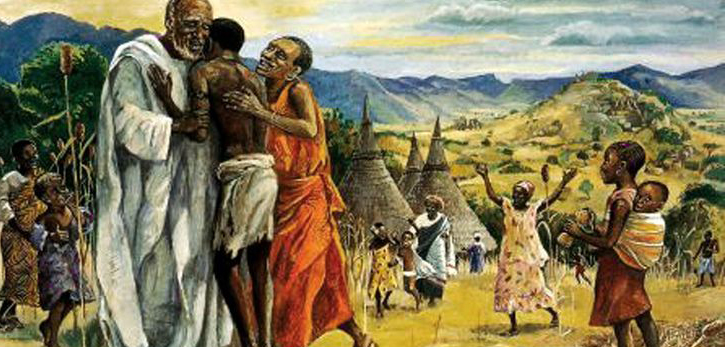
By Jim Perkinson
One of the effects of the irruption of Global South thought into Global North theology in the last half century is a re-reading of the bible from within the experience of poverty. Not least among the new insights occasioned by this re-reading is that concerning the parables. Scholars like Walter Wink and William Herzog and popular cultural educators like Ched Myers have made us aware that such folk stories, read in social context rather than spiritualized and universalized, have the character of political cartoons. Rather than allegories offering us characterizations of God or Jesus, they are better understood as politically-coded riddles, inviting their hearers to judge for themselves the situations they find themselves in. In 1st century Palestine among an oppressed people, they often served a function of consciousness-raising, provoking peasant listeners to dare risk thinking and voicing their own interpretation of events and discover their own wisdom. Only indirectly and obliquely do the parables speak about God, and then only by way of unmasking domination and uncovering the cry of anguish it silences. The results of such a contextual reading can be startling.
Continue reading “Prodigal Prodigality Versus Village Party: On Not Killing the Fatted Calf”

 By Wes Howard-Brook & Sue Ferguson Johnson, a commentary on this weekend’s Gospel text, re-posted from September 1, 2016



 Radical Discipleship