
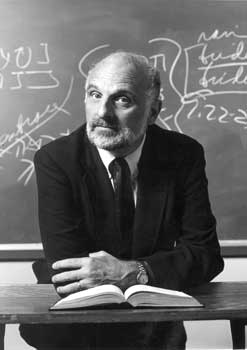
By Rev. Bill Wylie-Kellermann
Walter Brueggemann: A Remembrance (March 11, 1933 – June 5, 2025)
When I was a student at Union Seminary in New York, Abraham Heschel taught at Jewish Theological Seminary across the street. Though he died within my first year, the author of The Prophets, was notorious, it was said, for being the professor who actually believed in God. Something related might be said about Walter Brueggemann who crossed over to the ancestors and saints June 5.
He was an eminent scholar, among those like Norman Gottwald who altered the landscape of biblical studies by bringing sociological analysis to interpretation, and for such reason presided for years in the biblical guild. Yet, as a discipline, he was eminently readable and accessible to movement and church for whom the work was ultimately intended.
Once in a footnote to Israel’s Praise, he cited a 1985 order of the Pretoria regime prohibiting Blacks from singing Christmas carols in the townships because they generated such revolutionary energy. The newspaper report quoted a South African police agent: “Carols are too emotional to be sung in a time of unrest…Candles have become revolutionary symbols.” Which is to say, he could write an analysis of the world-shaking and world-making power of Israel’s liturgy and psalms, but then put out a book of prayers for our own moment. He prayed. He imagined a new world with all his heart. He invited us likewise.
Continue reading “The Radical Power of the Poetic Word”
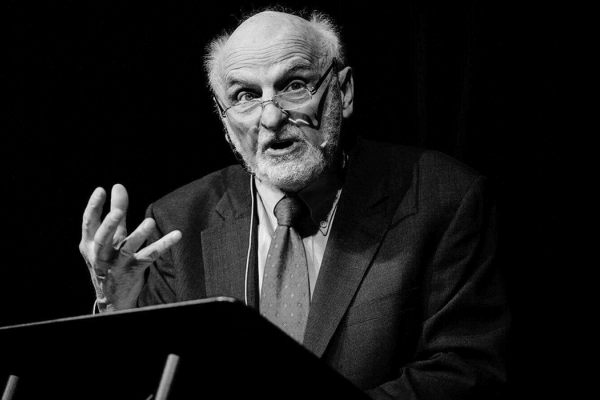
 From Walter Brueggemann’s classic
  By Lydia Wylie-Kellermann
 “Jesus knew what we numb ones must always learn again: (a) that weeping must be real because endings are real; and (b) that weeping permits newness. His weeping permits the kingdom to come. Such weeping is a radical criticism, a fearful dismantling because it means the end of all machismo; weeping is something kings rarely do without losing their thrones. Yet the loss of thrones is precisely what is called for in radical criticism.”
 Radical Discipleship