
 By Lydia Wylie-Kellermann
I spent the summer building an outhouse.
I spent the summer building an outhouse for my sister.
I spent the summer building an outhouse for my sister because she was getting married.
Forty-eight hours before the wedding as darkness fell and rain poured, even the groom was still drilling and cutting.
Lucy got married at our cabin in a pine grove a short walk from where my mom is buried. In order to accommodate 150 people for the service and thirty campers on our shallow, illegally plumbed crock well, we needed an outhouse. Continue reading “An Unusual Wedding Gift”
 From Nelson Johnson, pastor of Faith Community Church in Greensboro, NC and co-founder of the Beloved Community Center and Greensboro Truth and Community Reconciliation Project (which concluded in 2006)–quoted from
 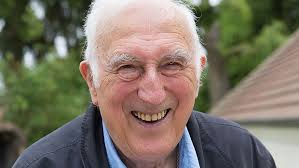 Communities are truly communities when they are open to others, when they remain vulnerable and humble; when the members are growing in love, in compassion and in humility. Communities cease to be such when members close in upon themselves with the certitude that they alone have wisdom and truth and expect everyone to be like them and learn from them. – Jean Vanier
 This piece was developed during the first Bartimaeus Institute Online Cohort (2015-2016), aka “The Feminary.” These pieces will eventually be published in a Women’s Breviary collection. For more information regarding the Feminary go
  Readers may not know, but Tommy and Lindsay Airey are ending their time in Detroit this month. It is a serious loss for those of us in Detroit, but we trust it will mean wonderful things for
  Dear Friends,
 A Facebook post (July 9) from Michelle Alexander, the author of the ground-breaking The New Jim Crow:
  By Janice Sevre-Duszynska
  By Ric Hudgens
 Radical Discipleship