
 From Barbara Ehrenreich’s Nickel and Dimed: On (Not) Getting By in America (2011):
When someone works for less pay than she can live on—when, for example, she goes hungry so that you can eat more cheaply and conveniently—then she has made a great sacrifice for you, she has made you a gift of some part of her abilities, her health, and her life. The “working poor,” as they are approvingly termed, are in fact the major philanthropists of our society. They neglect their own children so that the children of others will be cared for; they live in substandard housing so that other homes will be shiny and perfect; they endure privation so that inflation will be low and stock prices high. To be a member of the working poor is to be an anonymous donor, a nameless benefactor, to everyone else.
 Pilgrimage Reflections: The Gospel and the Politics of Race
 By Lydia Wylie-Kellermann
 By Ken Sehested
 By its simple public character a measure of light is directed upon an otherwise hidden and inconspicuous evil. By it an aspect of the historical crisis is expressly identified. A kairos moment of decision for the community of faith is named and commended and acted upon.
 By Bill Wylie-Kellermann
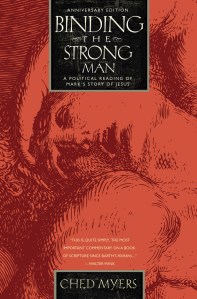 Today, we continue our celebration of the 30th anniversary of
  Another compelling post “From The Front Porch” of Ruby Sales, co-founder of
  Written by
  On the Road to Golgotha
 Radical Discipleship